
Many companies believe AI will automatically make them faster, smarter, and more efficient. However, the technology often fails to deliver meaningful results. The problem is usually not the AI itself. Instead, organisations continue operating with workflows, metrics, and habits designed for a different business environment. As a result, companies add AI on top of broken systems instead of redesigning how work actually happens.
Breakdown:
A growing number of businesses are investing heavily in AI-powered dashboards, predictive systems, and automation tools. Yet decision-making quality is not improving at the same pace. Multiple studies now show a widening gap between the amount of data companies collect and the quality of decisions they make with it. In many cases, organisations are measuring more while understanding less.
Part of the issue lies in legacy workflows. Many businesses still track metrics that once drove success but no longer reflect how value is created today. Companies continue focusing heavily on financial targets while ignoring the operational and behavioural drivers underneath them. Consequently, leadership reacts to poor results with cost-cutting, restructuring, or workforce reduction without fixing the broken processes causing the problem in the first place.
This creates what some operational experts describe as a “spiral of death.” Short-term financial optimisation slowly weakens long-term capability. One manufacturing company highlighted in the research cut 12 percent of its workforce after revenue declines. However, it failed to address customer delays, quality defects, and operational inefficiencies. A few quarters later, customer satisfaction dropped further, defects increased, and top talent started leaving.
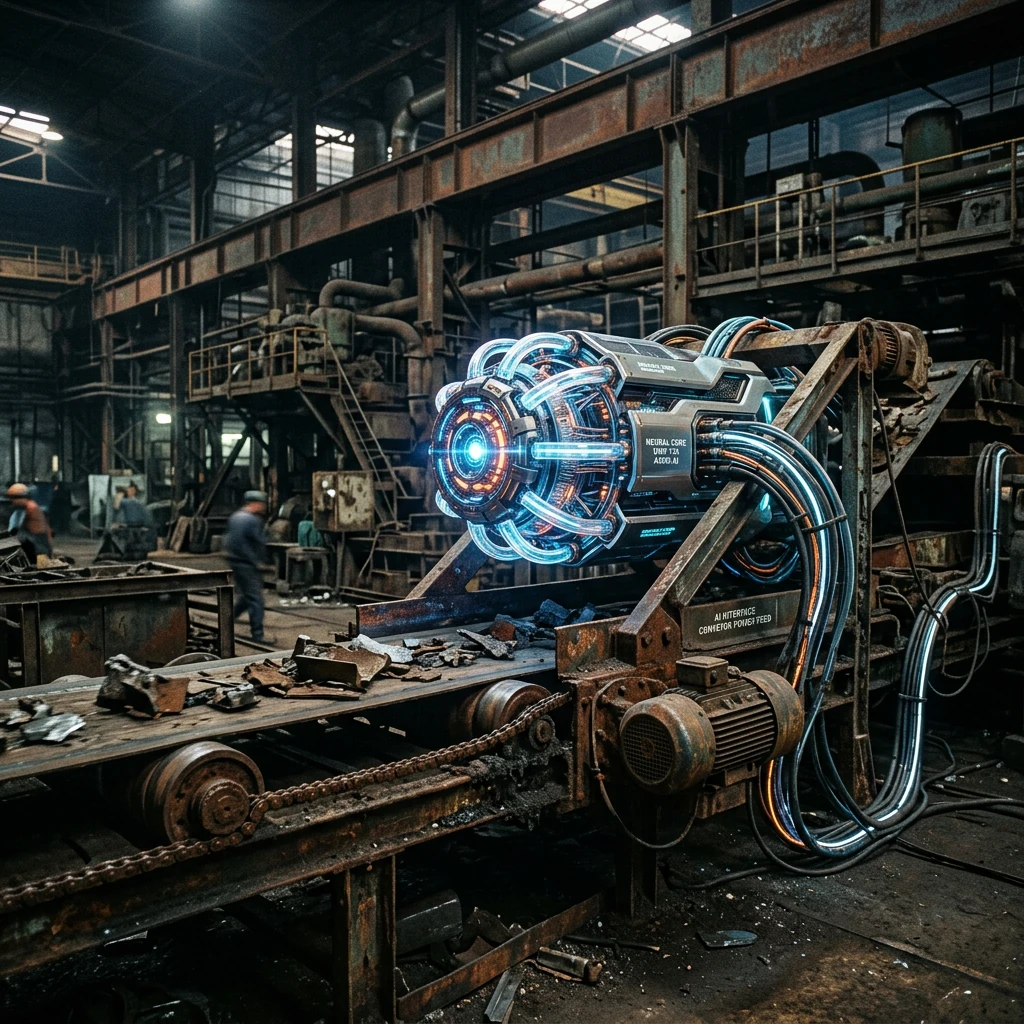
AI alone cannot solve this because technology amplifies the system it operates inside. If the workflow is inefficient, AI may simply accelerate the inefficiency. This is why many AI pilots fail to create measurable returns. Research cited in the report shows that only a tiny fraction of AI investments generate transformational value. The bottleneck is no longer technology availability. It is organisational design and leadership behaviour.
The companies seeing stronger outcomes follow a very different model. Instead of focusing only on financial outcomes, they build layered measurement systems. They track employee capability, process performance, customer experience, and financial outcomes together. Most importantly, leadership stays actively involved with operational metrics where work actually happens. This creates engagement, accountability, and continuous improvement instead of disconnected reporting systems.
At the same time, successful AI adoption depends heavily on trust. At Siemens’ Amberg factory, an AI-driven quality assurance system initially struggled because employees did not trust its decisions. The project only succeeded once workers became part of the design process and the system’s logic became explainable. This highlights a deeper reality. AI transformation is not purely technical. It is behavioural and cultural as well.
Why this matters:
This changes how leaders should think about AI adoption. The biggest competitive advantage may not come from buying better tools, but from redesigning workflows, incentives, and decision systems around them. Companies that simply layer AI onto outdated processes may increase complexity without improving outcomes.
The Big Picture:
More broadly, businesses are entering a period where adaptability matters more than scale alone. AI is accelerating market shifts, customer expectations, and operational speed. At the same time, legacy systems inside many organisations still operate with assumptions built for slower and more predictable environments. Over time, companies that continuously redesign workflows may outperform those that simply automate existing ones.
The Crunch:
AI does not automatically modernise a business. It exposes whether the system underneath still works.