
For covered factories in the National Capital Region, pollution compliance will include keeping a usable live video connection to regulators. Buying and mounting a camera is only part of the job.
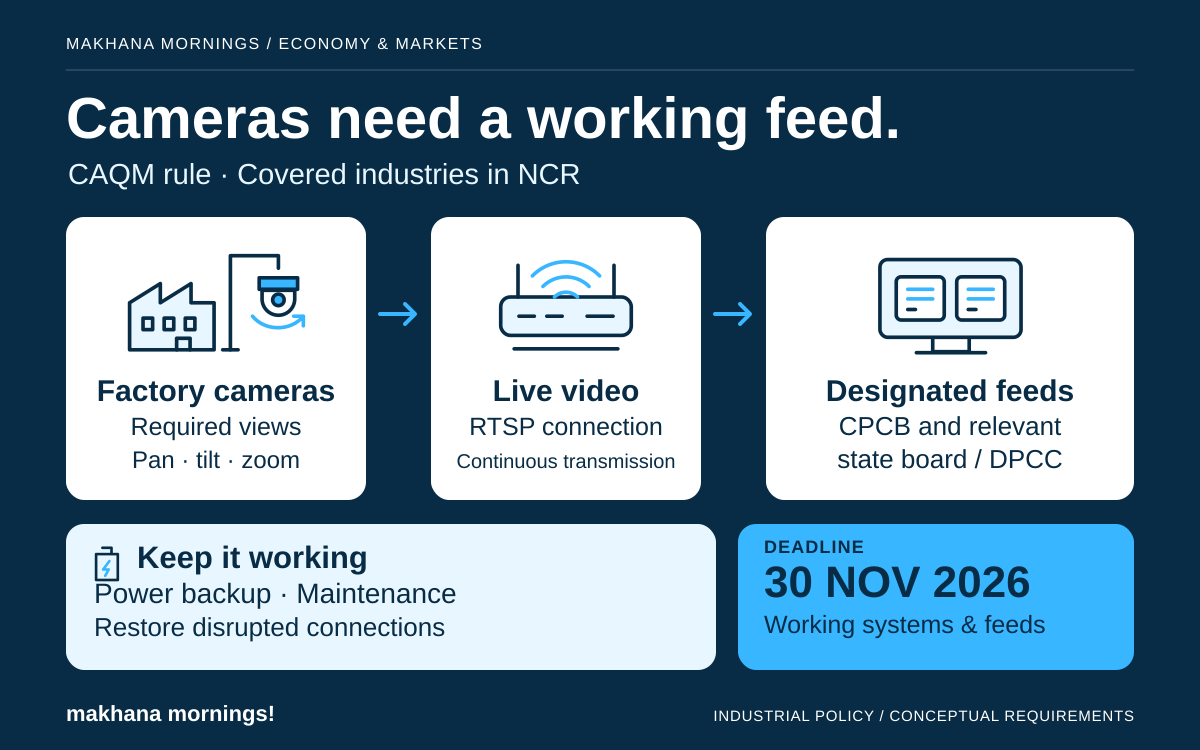
An October 15, 2026 order from the Commission for Air Quality Management, or CAQM, expands the industries required to install and operate pan-tilt-zoom cameras. Announced publicly on October 16, it replaces an October 5 order and sets November 30, 2026 as the deadline for cameras and real-time video feeds to be working.
More categories, a revised deadline
The earlier order concerned specified textile, food-processing and metal industries. The replacement extends the camera requirement to all industry categories covered by CAQM’s Direction 98.
That includes the Central Pollution Control Board’s (CPCB) 17 categories of highly polluting industries; medium and large Red Category air-polluting industries; food, food-processing and textile units with boilers or thermic-fluid heaters; and metal units with furnaces. The order applies to these units operating in NCR. It does not extend the requirement to every business across the whole of Haryana, Uttar Pradesh or Rajasthan.
For units already covered by the earlier order, the replacement moves the camera deadline from October 31 to November 30. The wider set of covered units must meet the new November deadline. Existing fuel restrictions and emissions requirements continue separately.
What regulators must be able to see
Pan-tilt-zoom cameras can change their viewing direction and zoom in on an area. The order requires coverage of applicable fuel-feeding points on equipment such as boilers, furnaces and kilns. Where gaseous fuel is used, the cameras must show gas meters, gauges and associated metering arrangements.
The specified views also include stack emissions, sampling points for online continuous emission monitoring systems, and fume-extraction areas where applicable. A single camera is insufficient if it leaves significant blind spots across the required locations; additional cameras must then be installed.
The feeds must reach designated servers or portals of CPCB and the relevant state board or Delhi Pollution Control Committee. The order specifies continuous transmission using Real Time Streaming Protocol, or RTSP, with adequate image clarity, including during night operations where applicable.
An ongoing operating responsibility
The practical burden extends beyond the installation deadline. Factories must keep cameras and communications functioning, provide suitable power backup, maintain the equipment and restore disrupted connections in a timely way. Prolonged outages or camera malfunctions must be promptly reported to the relevant pollution-control body, along with the corrective action taken.
Regulators have work to do too. CPCB and the state bodies must arrange the receiving infrastructure, while state boards and the Delhi committee must communicate the order and monitor compliance. The announcement does not establish that every receiving portal or factory connection is already ready.
Visibility supports enforcement
CAQM says its inspections have found instances of unapproved fuel use. It presents the expanded video requirement as an additional way to monitor operations alongside existing inspections and enforcement.
A clear, accessible feed can give regulators a view of the activity they need to check. Whether that leads to better compliance will also depend on how the information is used. The order keeps existing emissions limits, approved-fuel requirements and emissions-monitoring obligations in force; it does not establish a quantified reduction in pollution from the cameras themselves.
The Crunch
CAQM has widened industrial camera coverage in NCR and set November 30 as the deadline for working systems and live feeds. For covered factories, the task includes camera placement, reliable connections and maintenance. The measure adds visibility for regulators while leaving the underlying fuel and emissions obligations in place.