
Immersive experiences once felt groundbreaking, but today many seem repetitive. Brands have invested heavily in interactive spaces and sensory activations, yet most rely on the same visual and audio cues. The limitation lies in design itself. Until now, it has been possible to create something deeply personal or something that reaches large audiences, but rarely both. That boundary is about to disappear. Multimodal artificial intelligence is set to redefine design by making experiences adaptive to each individual in real time, allowing personalization and scale to coexist.
Breakdown
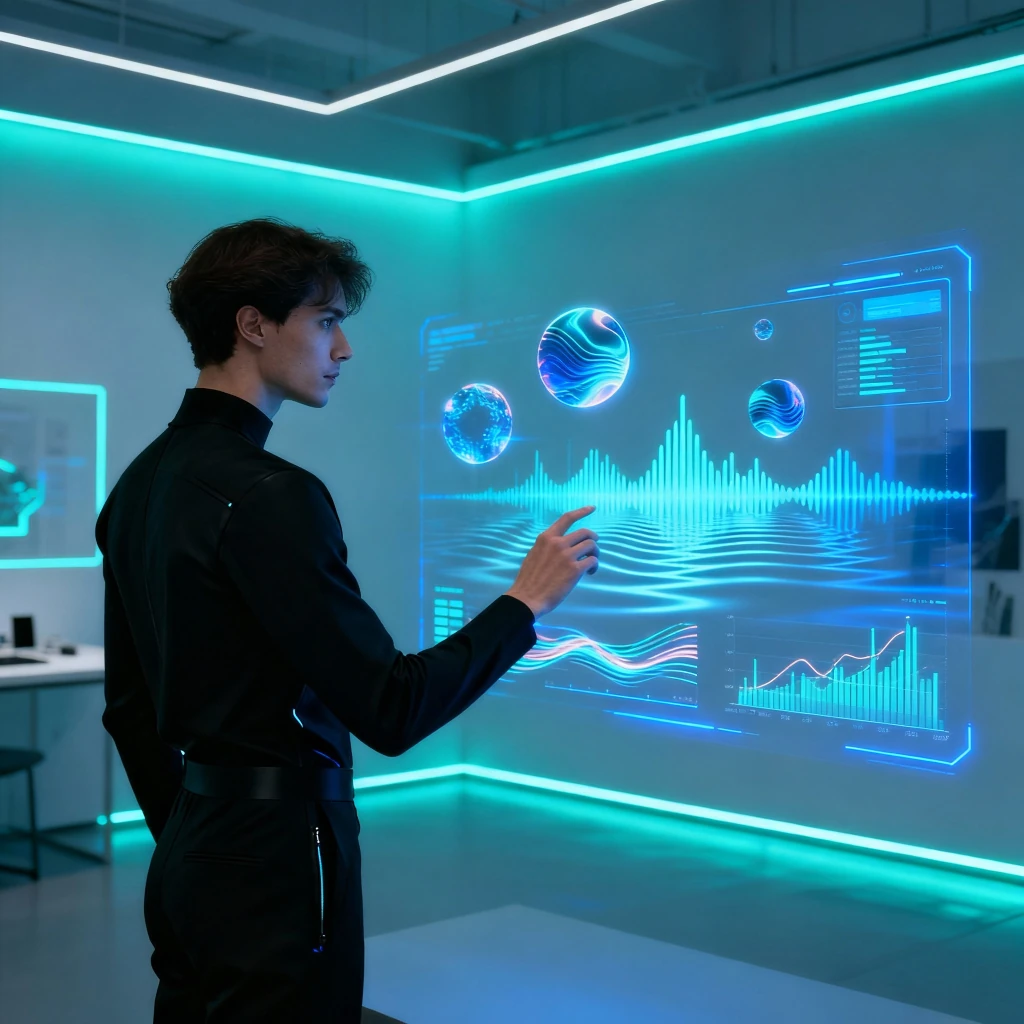
Multimodal AI refers to machine learning models that can understand and combine multiple forms of input such as text, images, audio, and video at once. Unlike traditional systems that respond to only one type of data, multimodal AI can interpret many human signals together. It can perceive facial expressions, recognize tone of voice, read text, and track movement patterns to create an experience that responds intelligently to each user.
Imagine two people walking through the same exhibition but each experiencing something entirely different. The visuals, sounds, and narratives adapt continuously to their preferences and reactions. Early examples such as the Las Vegas Sphere, which uses advanced audio systems to create individualized sound zones, hint at this potential. Multimodal AI will take the concept further by crafting sensory experiences that differ for every visitor in real time.
The depth of personalization will depend on available interfaces. Smartphones and apps can already deliver basic adaptive experiences, but the future will rely on more advanced technologies such as augmented reality glasses or voice-sensitive wearables. These will enable seamless, screen-free interactions that react to gestures, emotions, and environmental cues.
This evolution also changes the role of the designer. Creative professionals are becoming “uber designers” who orchestrate AI systems across multiple sensory channels. While AI manages the technical and repetitive elements, human designers focus on vision, narrative, and emotional impact. The designer becomes a conductor, guiding technology to produce unified, multidimensional experiences.
Why This Matters
Multimodal AI represents a major step in the fusion of creativity and technology. It allows designers to achieve true personalization for every audience member, creating experiences that adapt to the individual rather than the crowd. From retail environments that shift based on shopper behavior to museums that tailor exhibits to visitor interests, personalization will redefine engagement. Design will evolve from static creation to dynamic orchestration, turning every encounter into a living, responsive experience.
The Big Picture
This transformation is comparable to the leap from black-and-white to color cinema. Multimodal AI enables a new kind of storytelling where data and emotion coexist. Designers who embrace this shift will become experience architects who integrate creativity, technology, and human understanding. The result will be multidimensional environments that change with every visit, offering audiences experiences that are both personal and unforgettable.
The Crunch
The future of design will belong to those who can think across disciplines and work in partnership with AI. Designers who begin integrating AI tools, exploring new interfaces, and learning to direct multimodal systems will lead the next creative era. The aim is not to replace human creativity but to elevate it, enabling designers to build experiences that inspire and connect on deeper levels than ever before.