
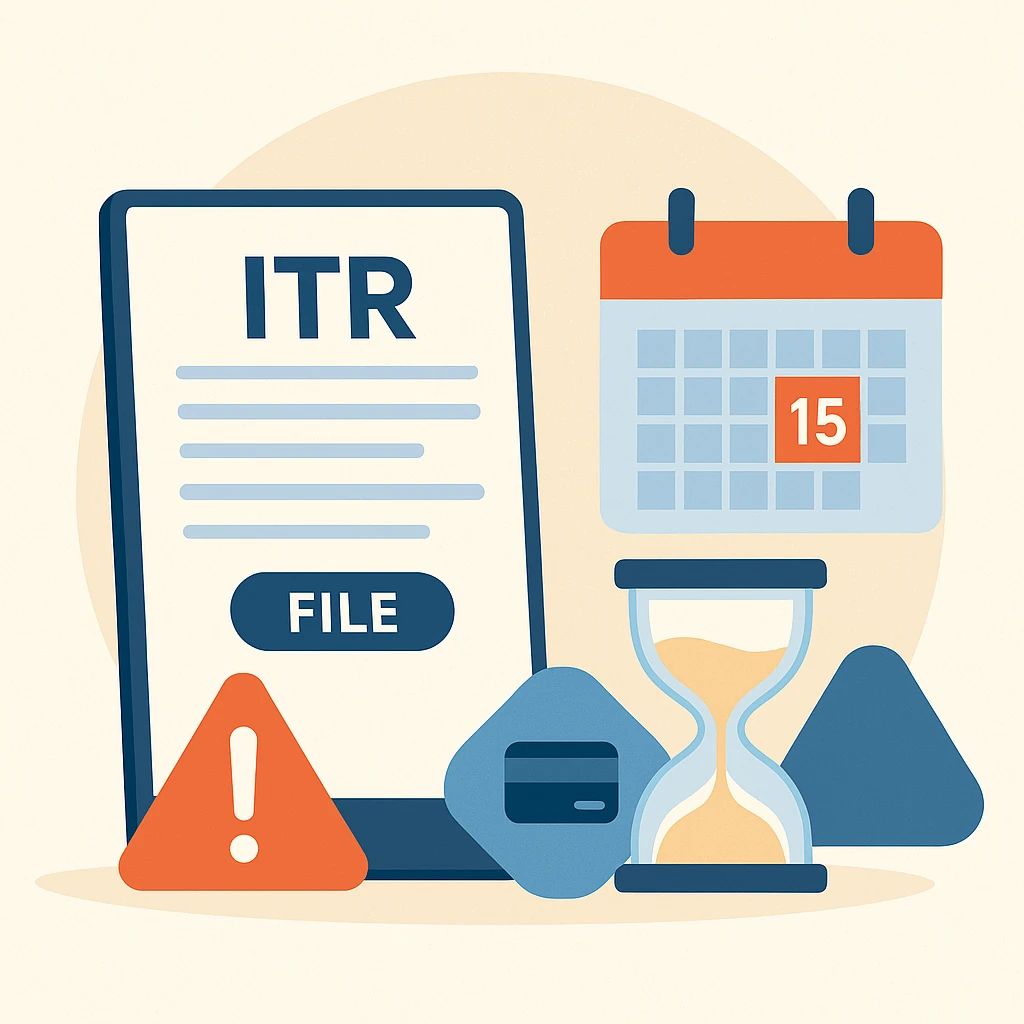
India’s tax season ended with both a record and a roadblock. The Income Tax Department confirmed that more than 7.3 crore returns were filed for Assessment Year 2025–26 by the evening of September 15, surpassing last year’s tally. But as millions logged in to file before the deadline, the e-filing portal buckled under heavy traffic. Complaints of slow logins and failed payments flooded social media. Acknowledging the technical snags, the government moved quickly, extending the filing deadline by one day to September 16, offering relief to taxpayers scrambling at the last minute.
Breakdown
Context
September 15 was the official last date for filing income tax returns as well as paying the second instalment of advance tax. With an unprecedented rush of users, the I-T portal faced sluggish performance and transaction errors throughout the day.
India and Business Angle
While glitches caused frustration, the record 7.3 crore filings signal both growing compliance and digitisation of India’s tax base. For businesses, this deadline crunch highlights the increasing reliance on digital systems for core compliance functions, making portal resilience a matter of national importance.
What’s Next
The government’s one-day extension offers short-term breathing room. In the long run, the Income Tax Department will need to strengthen its digital backbone, especially as more filings, payments, and reconciliations move online. Improved capacity and user experience could prevent repeated last-minute breakdowns.
Why this Matters
A glitch on tax day affects more than individual filers. Delays ripple into businesses, financial institutions, and compliance timelines. As India pushes for greater digital adoption in governance, system failures risk undermining trust. Ensuring reliability in such high-volume platforms is critical for sustaining taxpayer confidence.
The Bigger Picture
India’s record number of tax returns reflects both broader financial inclusion and growing economic activity. At the same time, it highlights the challenges of scaling digital public infrastructure. Much like UPI and GST platforms, the e-filing portal must evolve to match rising demand, reinforcing India’s position as a leader in digital governance.