
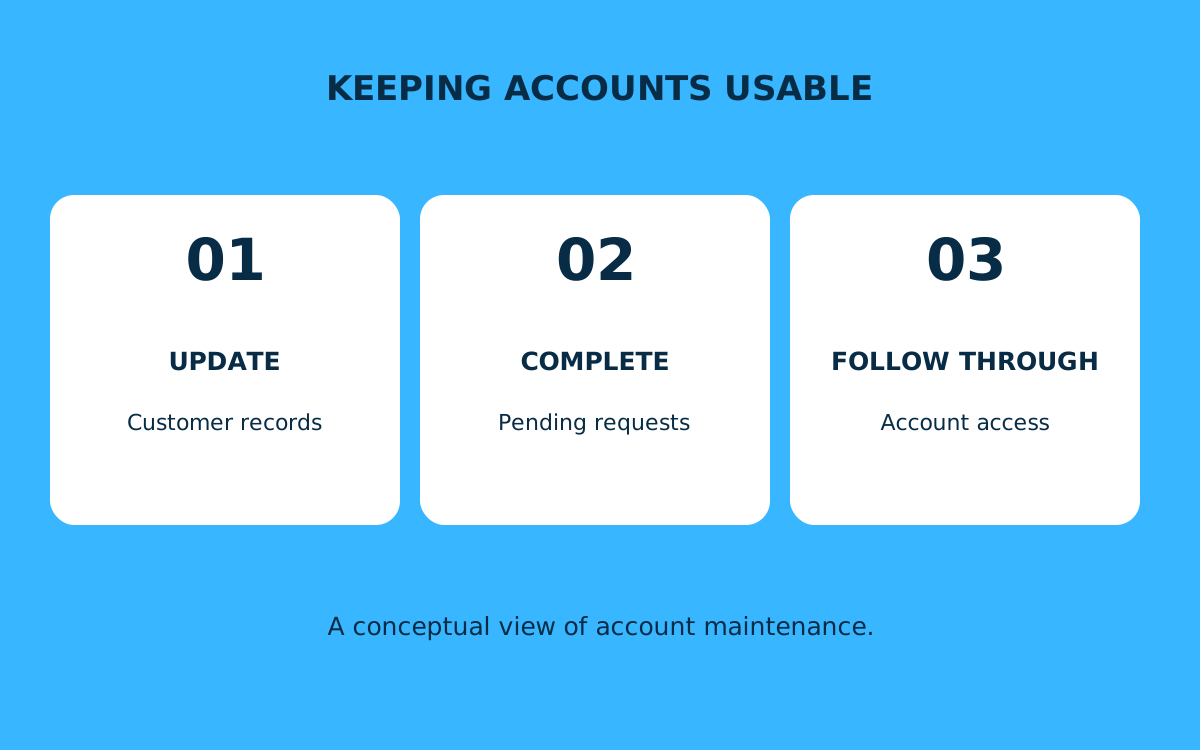
India’s next nationwide financial-inclusion campaign will bring banks into communities for a familiar task: helping people open accounts and enrol in financial schemes. Its service list also highlights a continuing responsibility for the banking system: maintaining the accounts and records people already have.
Announced by the Department of Financial Services (DFS) on 19 October, the campaign is scheduled for 21 October to 31 December 2026, with planned coverage of 2.70 lakh gram panchayats and urban local bodies. That figure describes the intended geographical reach.
The Breakdown
Banks will offer enrolment under the Pradhan Mantri Jeevan Jyoti Bima Yojana and Pradhan Mantri Suraksha Bima Yojana insurance schemes and Atal Pension Yojana, alongside new PM Jan Dhan Yojana accounts. They will also update existing customers’ know-your-customer records, generate pending Central KYC identifiers and update nominations.
The programme includes awareness sessions on digital fraud and unclaimed financial assets. Agricultural services include collecting Kisan Credit Card applications and crop-insurance enrolment for the coming Rabi season.
These activities cover several stages of a financial relationship, from joining a scheme to keeping its supporting records current.
What last year’s figures reveal
The previous nationwide campaign provides a useful comparison. In its completion report published on 10 November 2025, DFS reported 5.19 crore KYC re-verifications and 1.20 crore nomination updates during the July–October campaign. It also reported 1.11 crore new Jan Dhan accounts. The reported outcomes were measured as of 31 October 2025.
The recorded number of KYC re-verifications was therefore about 4.7 times the number of new Jan Dhan accounts. That comparison shows the substantial volume of work involving existing customers.
The categories can overlap, so adding them together would not establish the number of distinct people helped. They also measure administrative activity. They leave open how consistently customers subsequently used their accounts or whether every access problem was resolved.
Why the maintenance work matters
There is a documented reason to pay attention to those outcomes. In a circular dated 2 December 2024, the Reserve Bank of India (RBI) described supervisory findings involving pending KYC updates, frozen accounts and difficulties customers faced when seeking reactivation. These included errors such as mismatched names.
RBI also identified instances involving accounts used by beneficiaries of government transfers. The findings illustrate how problems in customer records can affect an existing banking relationship.
They are historical observations. The October 2026 announcement does not provide a current count of accounts facing those problems, or promise that attending a camp will resolve every restriction.
The Big Picture
A useful way to assess the new campaign would be to follow requests through to completion. How many updates were accepted? How many were completed? Which cases still needed documents or further verification? Where customers had an access problem, was it resolved?
This would help distinguish the reach of a camp from the result of a visit. It would also make unfinished work visible after the temporary outreach ends.
The same approach applies to the wider service list. Collecting a credit application begins a process whose eventual result still needs tracking. Explaining unclaimed assets creates an opportunity for recovery, with the outcome dependent on subsequent steps.
The Crunch
The campaign’s maintenance agenda deserves attention because last year’s figures show how large that work already is. Its lasting value will depend on completed updates, clear follow-through and customers being able to use the financial relationships they have established.