
A steady unemployment rate can hide changes in the jobs market.
India’s unemployment rate held at 5% in September 2026 for people aged 15 and above. It was unchanged from August and below the 5.2% seen a year earlier. The figures come from the National Statistics Office’s Periodic Labour Force Survey, or PLFS, released on October 15.
To understand that headline, it helps to ask two more questions. How many people were in the labour force, and what share of the population was working?
The Breakdown
The labour force participation rate was 55.5%, down from 55.6% in August. This is the share of people aged 15 and above who were working or classed as unemployed. The share working, called the worker population ratio, was 52.7%, against 52.8%. Both rates were still above their September 2025 levels.
Rural and urban areas showed different patterns. Rural unemployment rose from 4.1% to 4.2%, while the urban rate rose from 6.8% to 6.9%. The share in the urban labour force grew to 50.7%. In rural areas, it eased to 58%.
Among urban women, the share in the labour force rose from 25.4% to 25.9%. The share working grew from 23.2% to 23.5%. Yet their unemployment rate also rose, from 8.9% to 9.2%. These trends can happen at the same time because the rates measure different things.
Why This Matters
The key is who gets counted in each rate.
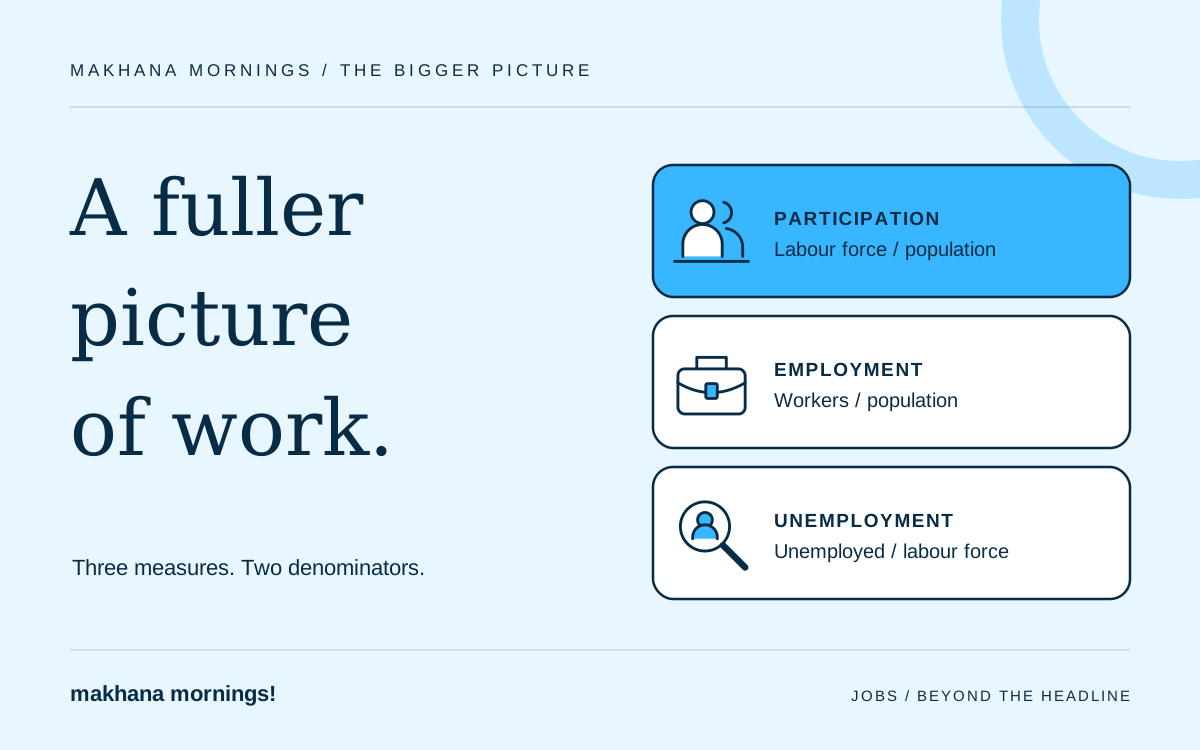
The labour force includes people who work and those classed as unemployed. A 5% unemployment rate means five in every 100 people in that group were unemployed under the survey’s rules. It does not mean 5% of all people aged 15 and above lacked work.
The other two rates use the whole population in that age group. Participation tells us the share in the labour force, while the worker population ratio tells us the share that works. Reading all three helps show how the share working changes alongside the share taking part.
This matters to businesses trying to judge household demand. The unemployment rate alone cannot show whether more people earn money, whether pay has risen or whether jobs have become more secure.
The Big Picture
These monthly figures cover rural and urban India. They use Current Weekly Status, a measure based on the seven days before each survey interview.
To count as unemployed, a person must have done no work, even for one hour, that week. They must also have sought work or been available for it for at least an hour. So being counted as employed does not mean someone had a full week of work or earned enough.
This differs from usual-status figures, which look back over 365 days. The survey was also redesigned from January 2025. The statistics office warns that those changes matter when comparing it with releases through December 2024. Small monthly shifts need care too. The figures come from a sample, rather than a count of everyone.
The Crunch
September’s unemployment rate was steady, while the share in the urban labour force rose slightly. Over time, watch whether more people take part and the share working rises too. The quality of the work they find also matters.