
Rules of origin and tariff schedules could soon tilt cost parity for Indian exporters
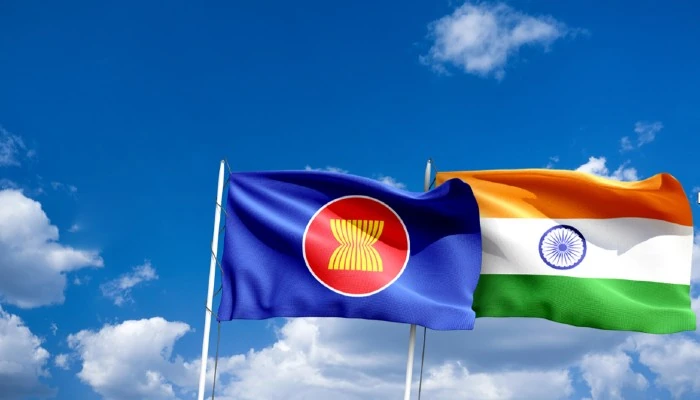
Trade diplomacy usually moves at the pace of molasses. Not this time. India and ASEAN have agreed to fast-track the review of their free trade agreement, compressing what might have been years into months. With global tariff uncertainty rising, and Washington and Beijing trading blows, New Delhi sees ASEAN as a stabilizing anchor for its exports.
For Indian businesses, this is not just another bureaucratic review. It is a potential shift in how rules of origin (RoO) are enforced and how tariff schedules are aligned. That means landed-cost parity for everything from electronics and chemicals to auto components and textiles could be rewritten almost overnight.
The Announcement
India and ASEAN have agreed to accelerate the FTA review process, with technical discussions already underway.
The review will focus on rules of origin, tariff preferences, and safeguard mechanisms.
Officials expect a compressed timeline, aiming for a draft framework within the next year.
Indian negotiators are pushing for clearer RoO enforcement to prevent third-country routing through ASEAN.
What Happens Next
A revised tariff preference schedule is likely to emerge in phases, starting with electronics and chemicals.
Exporters should expect RoO certification changes and potentially stricter compliance requirements.
Cost competitiveness in ASEAN markets could shift quickly in favor of Indian players if duties are reduced.
On the flip side, imports of ASEAN auto components and textiles could pressure domestic suppliers.
Why It Matters
Governance/Policy: Tighter RoO rules will limit misuse and could bring more transparency to Indian trade negotiations.
Markets/Economy: Exporters in electronics, chemicals, and textiles could gain margin relief, while domestic producers may face sharper ASEAN competition.
Strategic/Global: With U.S. tariff rhetoric escalating, a stronger ASEAN corridor hedges India’s exposure and deepens supply-chain resilience in Asia.
Quick Take
The ASEAN FTA review is not just a diplomatic box-tick. It could redraw landed-cost parity for entire sectors. For exporters, this is the moment to map HS codes, simulate tariff scenarios, and position quotes ahead of competitors. The review is moving fast, and your playbook should move faster.
Tariffs may appear as lines in a gazette, but they determine who wins the order.
Question: If ASEAN tariffs shift tomorrow, do you know your top 20 HS codes and how your quotes would stack up?
AD from Makhana Mornings!
P.S. Forward this to one exporter who needs to hear it before the next trade meet.