
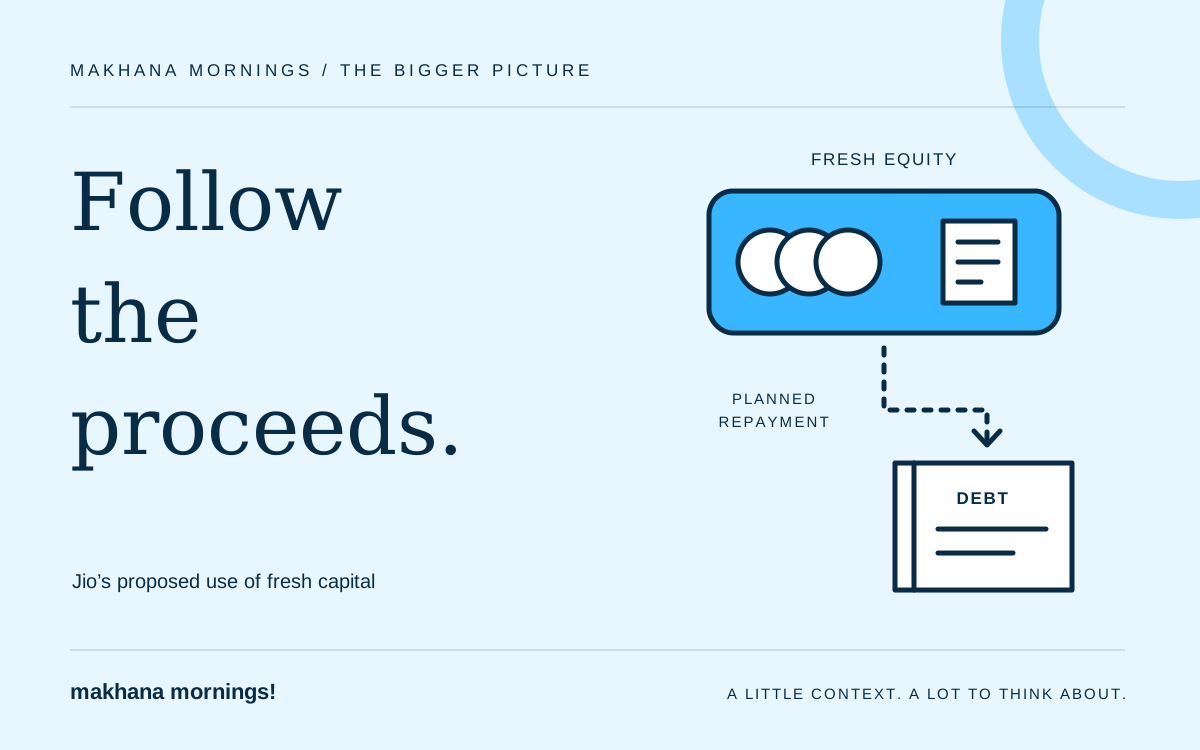
Jio’s planned first sale of shares to the public now has a price range and dates. This is called an initial public offering, or IPO. The next question is where the money goes.
Jio Platforms has set a price range of ₹1,065–₹1,119 per share. The offer opens on October 21 and closes on October 23. Anchor bidding, an early round for large institutional investors, is set for October 19.
All the shares in the proposed sale are new. That means the money raised would go into the company.
The Breakdown
The offer is for up to 27 crore shares. At the top of the price range, that would raise ₹30,213 crore before the employee discount. The costs of the offer would also reduce the money the company keeps. This amount, after those costs, is called the net proceeds.
Jio plans to use up to ₹27,500 crore of the net proceeds to repay certain debts early. These are borrowings of Reliance Jio Infocomm, the group company that runs its telecom business. The rest is meant for general business needs, within the limits set in the offer document.
Existing shareholders will not sell their shares through this IPO. That is what it means when an offer has no offer-for-sale part. Issuing new shares will increase the total number of shares. Holders who do not buy more will own a smaller percentage of the company.
Why This Matters
The planned debt repayment gives the share sale a clear purpose. Less debt can reduce interest costs and leave more room in the company’s finances. How much it helps depends on which debts are repaid and their terms.
It is worth keeping three numbers apart. One is the money raised in the IPO. Another is the value the stock market puts on the company. The third is the cash left after costs and planned spending. Each tells us something different.
If Jio’s shares trade on their own, Reliance would have a visible market price for a major part of its business. Investors would still need to assess Reliance’s other businesses and financial obligations. Jio’s listing alone would not settle the wider debate over Reliance’s value.
The Big Picture
Jio has plans in cloud services, artificial intelligence (AI) and other digital services. For now, almost all its revenue comes from digital connectivity, the services that connect its users.
The offer document says individual products do not have their own revenue figures disclosed. They are sold with connectivity services or included within them. So a long list of products does not tell us how much profit each one makes.
That makes the basic network business important. How much do customers spend? What does it cost to serve them? How much investment is needed, and how much cash does the business bring in?
The listing could give public-market investors another way to assess the business of connecting Indian homes and companies. The most useful evidence will come from how Jio performs after the IPO dates have passed.
The Crunch
If the offer and planned debt repayments go ahead, Jio could have more room to fund its business. The longer-term test is whether less debt makes its finances more flexible and helps it generate cash over time.