
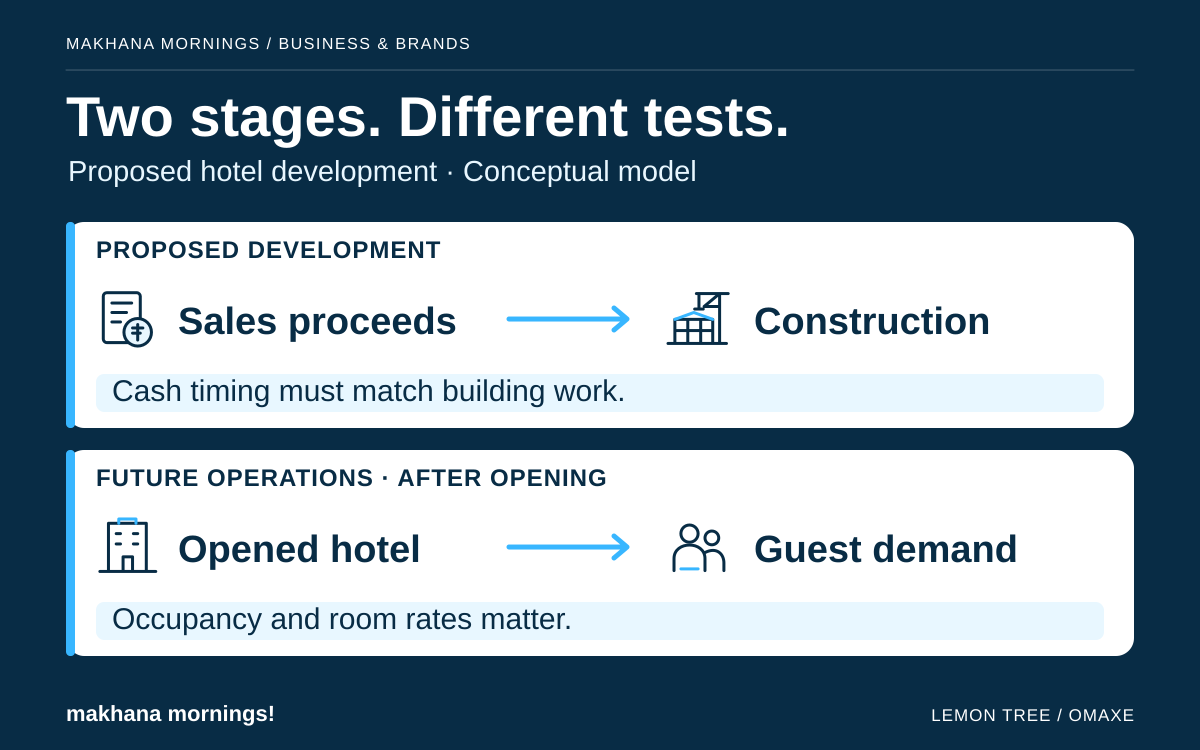
A hotel operator can expand without paying to build every property. The construction still needs funding, and the completed hotel still needs guests. Lemon Tree Hotels’ proposed expansion with Omaxe brings those two jobs together through companies pursuing different business models.
On October 16, 2026, Lemon Tree announced that its wholly owned subsidiary Carnation Hotels had signed a memorandum of understanding with Omaxe to operate about 4,000 keys, the hotel industry’s measure of room inventory. Lemon Tree says the arrangement takes its total development pipeline to nearly 16,000 keys. These are proposed additions to future supply.
The Breakdown
Lemon Tree describes the tie-up as an expansion of its asset-light managed portfolio. Omaxe describes its approach as sale-led development. The first model centres on operating properties; the second uses property sales to support development.
The development plan covers 10 projects with estimated investment of about ₹4,000 crore. Commissioning is expected to range from nine months to five years, depending on the project. Omaxe expects to fund completion through sales proceeds without requiring loans. Those figures and the funding approach describe plans and expectations at this stage.
Construction needs cash on schedule
The practical question for a sale-led model is when money from buyers becomes available. Builders have to pay for work as it progresses. A project could attract interest and still face a funding gap if collections arrive after construction payments fall due. That is a timing risk inherent in the model, rather than evidence of a problem at these sites.
The public release does not explain what interests or units would be sold, who would buy them, or how collections would be matched to construction spending. It also does not set out the proposed ownership arrangements after sales. Without those details, readers cannot assess how the funding model would work for an individual property.
Hotel operations face a different test
For an operator, an asset-light model reduces the need to own the buildings across its network. It still requires properties that can open and serve guests well. Construction delays would postpone that opportunity, while weak occupancy or room rates could undermine the economics once a hotel opens.
The tentative portfolio includes bus-terminal sites in Lucknow, an airport-adjacent development in Amausi, service apartments in Amritsar and properties in the pilgrimage destination of Vrindavan. These are different accommodation markets.
For example, transit guests may arrive late or stay briefly, while pilgrimage demand may peak around particular dates. Each property would need a service offering and cost structure suited to its own market.
The announcement does not disclose management fees, project-specific brand assignments or the detailed terms and conditions of the MoU. That limits any estimate of what the proposed rooms could eventually earn for Lemon Tree. The agreement’s description as an MoU also gives readers insufficient information to judge its legal obligations.
What would show progress
Project-level funding, construction milestones and confirmed opening dates would make the development plan easier to evaluate. Once properties open, occupancy and room rates would help show whether the operating model is working. Keeping those stages separate prevents a large pipeline announcement from standing in for evidence of completed hotels or commercial performance.
The Crunch
The Omaxe arrangement gives Lemon Tree a route to expand its managed portfolio, while the developer plans to fund construction through sales. Its progress will depend on money arriving when building work needs it, followed by hotels attracting enough paying guests. The proposed room count captures the ambition; those two tests will determine the commercial outcome.