
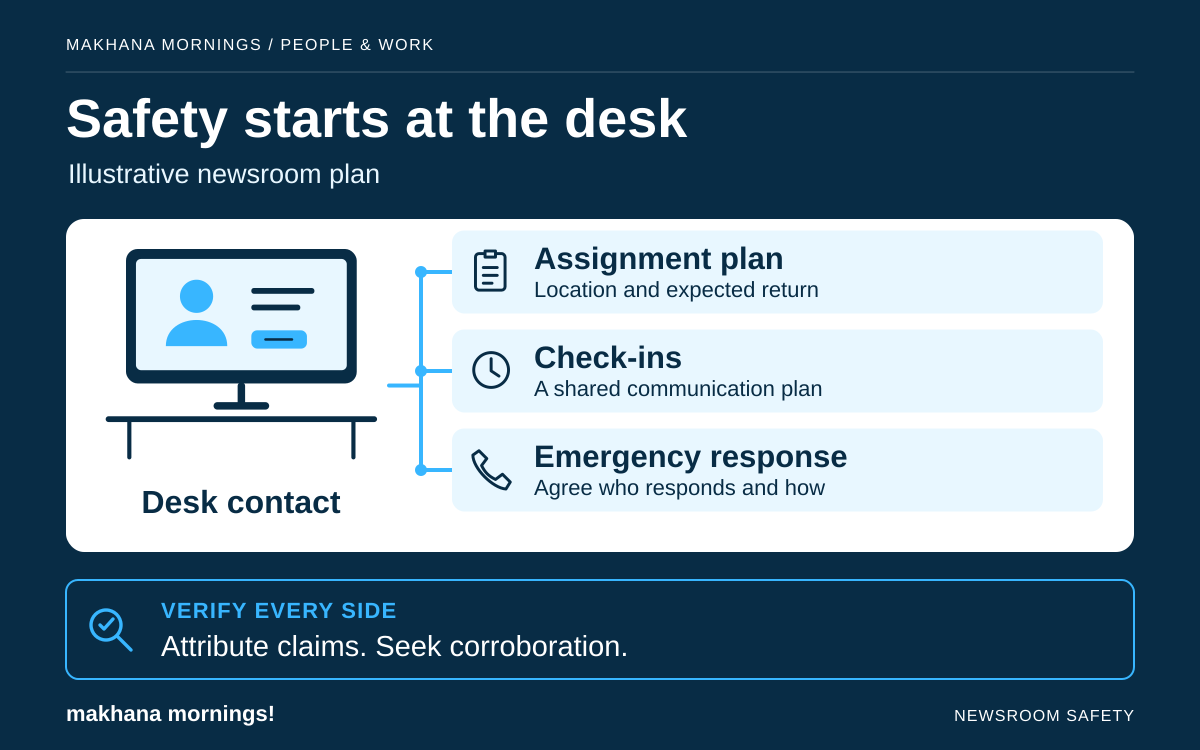
A reporter covering a protest needs someone in the newsroom who knows where they are and can respond if something goes wrong. That is one of the practical responsibilities set out in the Press Council of India’s new guidelines for covering protests and demonstrations.
The council adopted the guidelines on October 14, 2026, and issued a press release dated October 15. Alongside advice for journalists at the scene, the document addresses the preparations and editorial decisions made by the organisations assigning them.
The Breakdown
Newsrooms should nominate a contact to monitor reporters’ locations and respond to emergencies. Freelancers should ensure a trusted editor or contact knows their location, assignment plan and expected return time. For planned demonstrations, the council advises coordination with designated police officers or press liaisons, where feasible, on communications and any designated media areas.
On the ground, the advice includes keeping a safe distance from confrontations, reassessing nearby risks and maintaining an escape route as conditions change. Reporters are advised to prepare emergency supplies and practise using protective equipment before deployment. Safety should take priority over equipment, live-broadcast commitments and exclusive footage.
Coordination comes with scrutiny
The same document calls for equal journalistic scrutiny of statements from protesters, organisers, police and government authorities. Claims should be clearly attributed and corroborated where possible. Reporters should distinguish established facts from allegations and describe observable actions without assuming people’s motives.
This places an editorial responsibility alongside the safety arrangements. A police contact may help a newsroom understand access or immediate hazards; the council’s verification standard still applies to that official’s account of events.
The guidelines also caution against publishing real-time police positions, tactical movements or escape routes when disclosure could compromise safety or operational security. They call for particular care with images or identities of minors, injured people and others in vulnerable situations, including the risk of harassment or retaliation.
Read the professional status carefully
The release advises the press to follow its guidelines. It does not set out a new criminal offence or penalty. The PCI’s own complaints guidance describes its inquiry jurisdiction under the Press Council Act, 1978, as covering print media.
That professional framework has consequences. Section 14 of the Act allows the council, following an inquiry and an opportunity to be heard, to warn, admonish or censure a newspaper, news agency, editor or journalist in the circumstances specified by the Act.
The identification wording also matters. It asks for a valid media-organisation or newspaper ID and/or applicable Press Information Bureau or Directorate of Information and Publicity accreditation. It does not say that every reporter must obtain government accreditation before covering a protest.
The newsroom decision
For an editor, a useful implementation test is whether the assignment has a named contact, a workable check-in plan and an agreed response if communication stops. Those are practical ways to apply the council’s coordination advice, rather than additional requirements stated in the release.
The editorial check is equally concrete: who made a claim, how could they know it, and what supports it? Planning for a reporter’s safety and preserving independent judgement belong in the same assignment conversation.
The Crunch
The PCI’s guidelines connect field safety with newsroom responsibility: prepare the assignment, keep track of people and scrutinise every side’s claims. Their practical value will depend on whether those safeguards shape decisions when a protest becomes difficult to cover.