
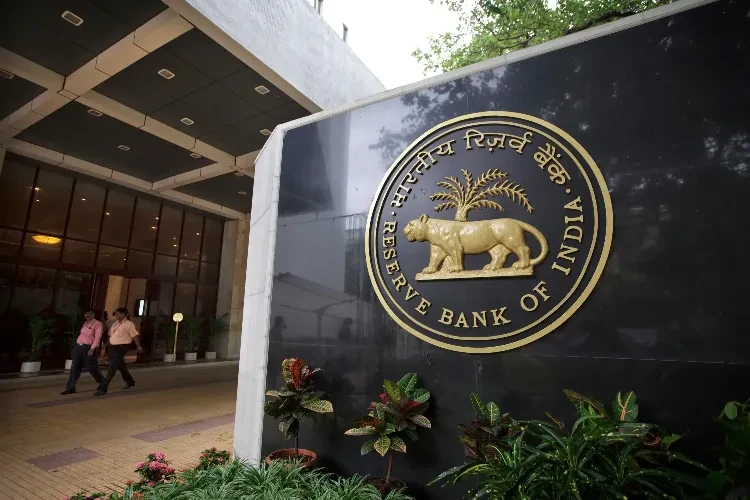
Gold is moving beyond jewellery counters and into India’s credit system. The Reserve Bank of India has permitted banks to grant working capital loans to manufacturers who use gold as raw material, opening a new financing channel for the jewellery industry and related sectors. Alongside, the RBI issued directions standardising lending against gold and silver collateral, and unveiled a revised liquidity management framework. Together, the moves highlight the central bank’s twin approach of supporting credit flows to industry while keeping a firm hand on money market stability.
Breakdown
Context: Traditionally, gold backed loans were restricted to individuals, households, or traders. By extending eligibility to manufacturers, the RBI is widening the scope of credit against one of India’s most liquid assets. The jewellery sector, one of the largest employers and exporters, often struggles with working capital cycles due to the high value of raw material stock.
Angles: The new guidelines also cover interest rates on advances backed by gold and silver, aiming to introduce discipline in pricing and reduce arbitrage opportunities. At the same time, the revised liquidity framework brings a sharper mix of repo and reverse repo operations to smooth short term volatility. This is particularly important as global markets remain unstable and FIIs continue to withdraw money from India.
What’s Next: Jewellers and manufacturers will benefit from more accessible and structured financing. Banks in turn gain a safer and more liquid collateral class. The liquidity tightening signals that the RBI will not allow easy money conditions even while supporting credit growth.
Why this matters
Gold is India’s second largest import after oil and a major driver of the current account deficit. By enabling gold backed working capital loans, the RBI is Formalizing credit flows that might otherwise sit in informal channels. This supports employment heavy sectors while ensuring banking oversight. The liquidity measures show the RBI balancing growth needs with financial discipline.
The Big Picture
These policy shifts underline the RBI’s strategy of broadening credit access while pre-empting systemic risks. For manufacturers this creates a new financing lifeline. For banks it institutionalises a collateral type that is deeply entrenched in Indian households and commerce. For the wider economy it reflects a regulator that is innovating within tradition while holding firm on monetary stability.
The Crunch
Gold in India is no longer just a hedge or heirloom. With the RBI’s new rules it is becoming an institutional currency, circulating from vaults into working capital and linking tradition with modern credit markets.