
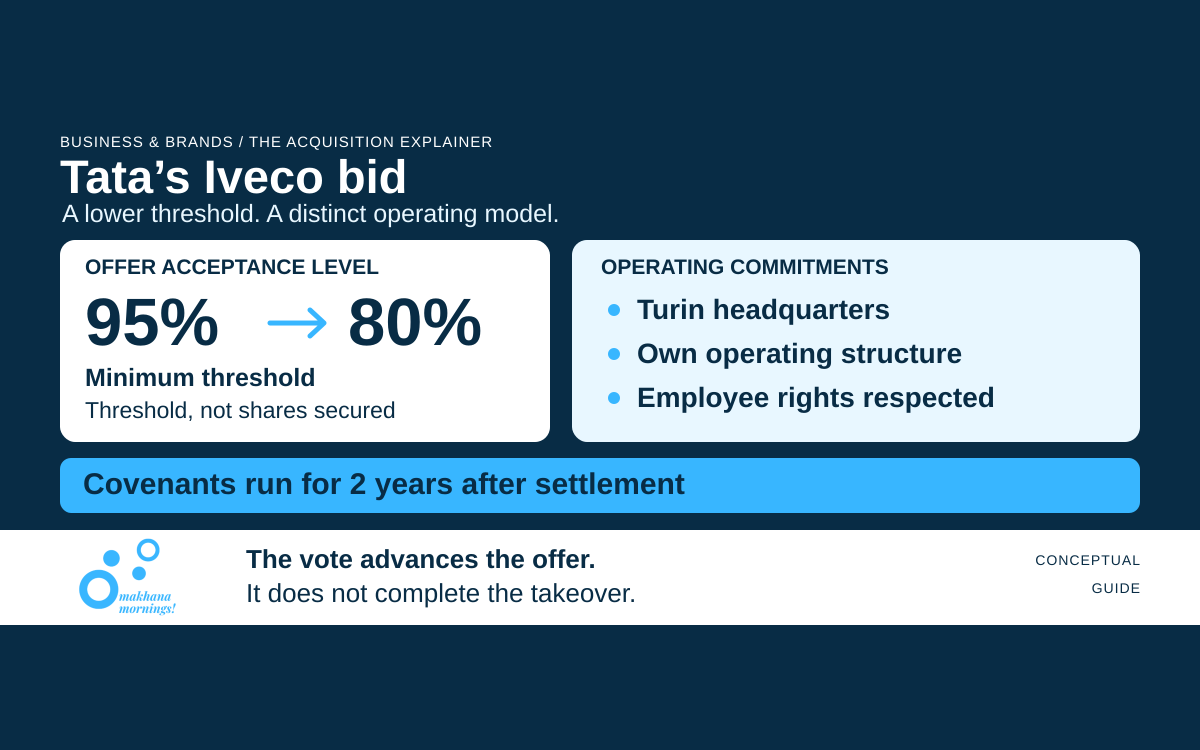
Iveco shareholders approved takeover-related resolutions on October 16, 2026, lowering the minimum acceptance level for Tata’s offer from 95% to 80% of common shares. The vote advances a transaction involving Tata Motors’ commercial-vehicle business. It does not itself complete the takeover.
What the vote changes
The percentage is a threshold under the offer, not a report of shares already secured. Shareholders also approved a post-offer demerger at the buyer’s choice, subject to conditions including ownership of at least 80% of the common shares. Approved board appointments take effect at settlement.
Completion remains subject to the offer’s terms and conditions. The vote does not establish the number of shares tendered or confirm that every condition has been met.
How Iveco would operate
The agreed non-financial covenants run for two years after settlement. They cover matters beyond the price paid for the shares.
Under those commitments, Iveco would retain its Turin headquarters, corporate identity and key brands. It would keep its own operating and reporting structure. Existing contractual capital-spending commitments and employees’ rights and benefits, including employment and pension arrangements, are to be respected.
Two independent directors would monitor compliance. Departures from the covenants would require board approval, including an affirmative vote from each of those directors. That gives the commitments a governance mechanism, rather than leaving them solely as statements of intent.
The opportunity for India
Tata and Iveco argue that their complementary geographical strengths could support a broader commercial-vehicle business and spread investment across larger volumes. These are expected benefits, not results established by the shareholder vote.
For Indian engineers and suppliers, product programmes, sourcing decisions and orders would show what work follows. The proposed deal alone does not establish an Indian work allocation or a supplier contract.
The Crunch
Buying control and combining operations are different jobs. The test is better cooperation within the commitments governing the proposed combination.