
Electric vehicles are no longer a niche category. As adoption accelerates across cities and beyond, insurance models are evolving to match the unique risks and technologies of this new generation of cars. In 2025, policies are being redesigned around batteries, charging infrastructure, cybersecurity, and AI-driven claims. For buyers, understanding these shifts is key to avoiding coverage gaps, protecting investments, and making smarter financial choices.
Breakdown
Context:
Electric vehicles differ fundamentally from petrol and diesel cars with high-voltage batteries, complex sensor systems, and software-driven controls. These require specialised handling, and traditional motor insurance often fails to cover risks like battery degradation, charging equipment damage, or cyber threats. Even minor collisions can lead to expensive repairs due to the reliance on proprietary parts and certified high-voltage technicians. This gap between old insurance models and new-age mobility has forced insurers to reimagine what comprehensive coverage means.
Key Trends in 2025:
Tailored EV policies now go beyond collision and theft to include battery repair, charging infrastructure protection, and software-related failures. As the battery accounts for up to 40 percent of an EV’s value, dedicated coverage for manufacturing defects and degradation has become standard.
Advanced driver assistance systems are shaping premiums, with insurers rewarding vehicles equipped with lane-keeping assist and adaptive cruise control. Usage-based insurance is gaining traction, pricing policies on real driving behaviour rather than demographics, especially among urban EV owners with predictable and low-mileage habits.
AI integration is transforming claims processing, with algorithms analysing photos, assessing damage, and approving payouts within hours. Green policy incentives now reward zero-emission vehicles with lower premiums and faster claims. Cybersecurity coverage is emerging as a must-have, protecting connected vehicles from hacking, ransomware, and data theft.
Some insurers are bundling renewable energy benefits, offering discounts for solar charging and multi-EV households, while automakers are packaging insurance with extended warranties at the point of sale for a seamless experience.
What’s Next:
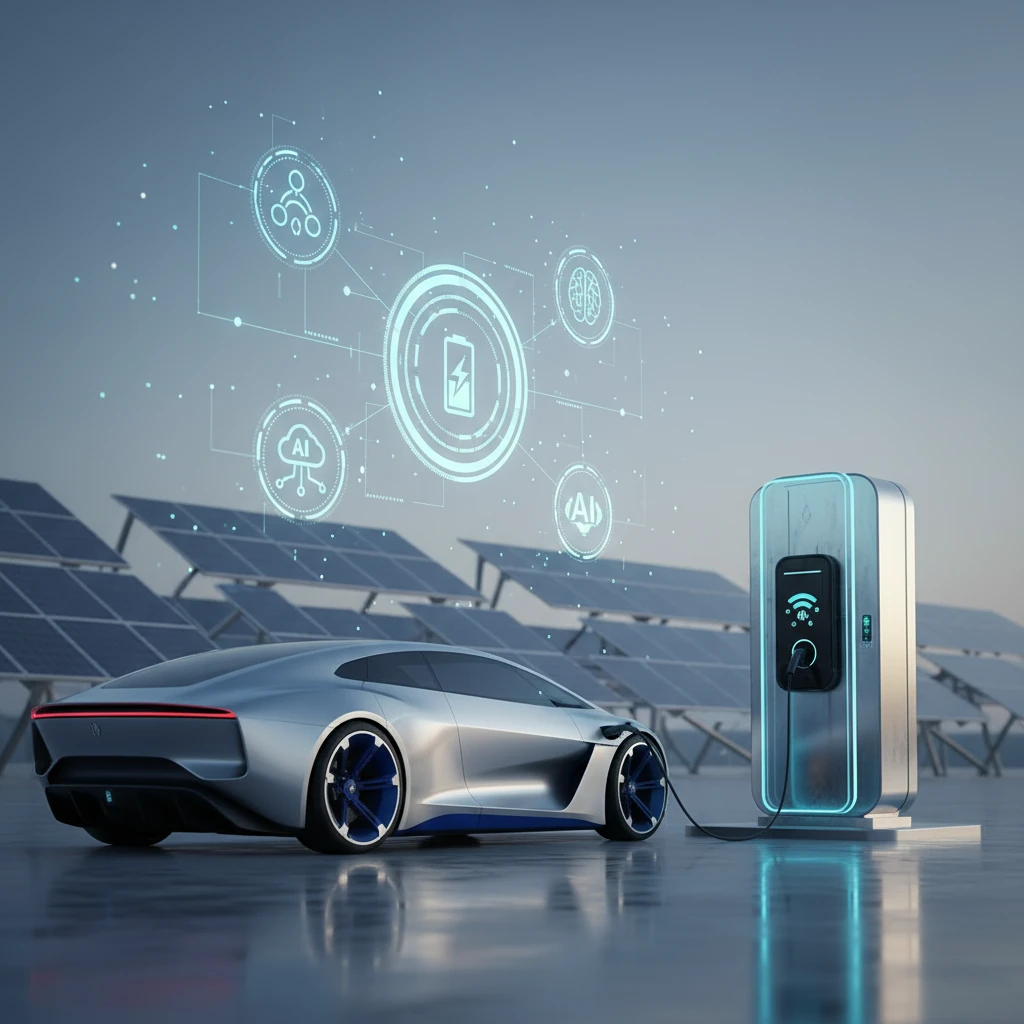
The future of EV insurance lies in collaboration. Automakers, insurers, and technology providers are building data-driven ecosystems that integrate solar charging, cybersecurity, and predictive maintenance into a single, dynamic policy. Pricing will shift from static categories to continuous insights drawn from telematics, charging habits, and vehicle health data, rewarding responsible ownership with lower costs and better support.
Why This Matters
Insurance is often slow to evolve, but in the EV era, it is leading the change. The right policy now influences not just peace of mind but the total cost of ownership, from maintenance and uptime to resale value. As repair costs climb and vehicle systems become more complex, choosing flexible, EV-specific coverage is essential to avoid steep out-of-pocket risks.
A well-designed policy transforms insurance from a mandatory expense into a value addition, offering roadside support, cybersecurity protection, and rewards for sustainable driving. For high-investment EVs, that distinction can make or break the ownership experience.
The Big Picture
India’s EV ecosystem is scaling fast, driven by policy support, charging infrastructure, and growing consumer interest. With more than a million electric cars expected on the road in the next few years, insurance is becoming a strategic enabler rather than an afterthought.
Insurers are partnering with manufacturers and charging networks to create integrated protection models that reflect real-world risks and behaviours. For India, this evolution comes at a critical moment. Comprehensive, affordable coverage that addresses EV-specific risks and rewards sustainable behaviour could accelerate adoption.
The Crunch
Innovation in EV insurance is being shaped by data, not premiums. AI, telematics, and behavioural analytics are creating a feedback loop where safer, cleaner driving earns better coverage and pricing.
As electric vehicles become energy hubs, connected devices, and symbols of sustainability, insurance is evolving into a system of trust and intelligence. It is now protecting not just assets but entire ecosystems. For today’s driver, picking the right insurance is as crucial as choosing the right vehicle.