
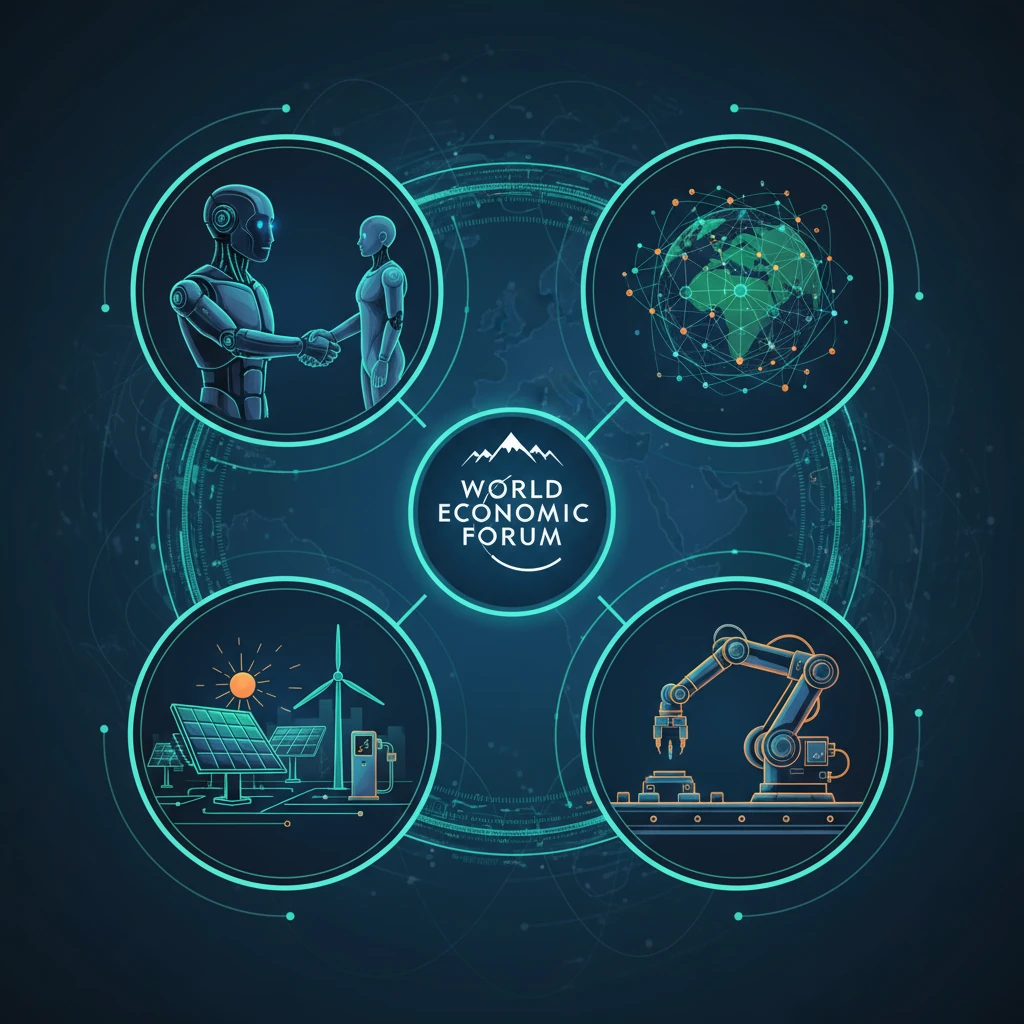
A new wave of innovation is about to reshape how the world works. According to the World Economic Forum’s latest report Jobs of Tomorrow: Technology and the Future of the World’s Largest Workforces, four emerging technologies will have the power to redefine global labour markets. Artificial intelligence, robotics, advanced energy systems, and sensor networks together will influence nearly every major industry and reshape jobs for billions of people.
Breakdown
The World Economic Forum highlights seven core sectors that will experience the most profound changes — agriculture, manufacturing, construction, wholesale and retail trade, transport and logistics, business and management, and healthcare. Together, these employ about 80 percent of the global workforce, underscoring how widespread the transformation will be.
Artificial intelligence and robotics are already driving automation, improving efficiency, and shifting workers toward more analytical and creative roles. Advanced energy systems are generating new opportunities in clean power and sustainability, while sensor networks are helping industries monitor, predict, and optimize in real time.
However, the Forum cautions that the benefits of this transformation will not be evenly distributed. Unlocking productivity and managing the risks will require global cooperation — including greater investment in innovation, accelerated technology diffusion, and policies that ensure inclusivity and access for all. Without reskilling and forward looking labour reforms, inequality could widen as disruption spreads.
Why This Matters
Technology is changing not just what we do but how we work. Nations that embrace this shift with investment in infrastructure, digital literacy, and social safety nets will lead the next growth cycle. Those that lag risk leaving millions behind. The balance between progress and protection will define the global workforce for decades.
The Big Picture
The future of work is being built right now, in factories powered by sensors, farms managed by AI, and hospitals run on data. This new industrial shift has the potential to create more opportunity than any before it, if managed inclusively. The challenge for policymakers and businesses alike is to make technology serve people, not the other way around.
The Crunch
The next work revolution will not be about replacing humans but about reimagining how humans and machines collaborate. The winners will be the nations and companies that invest early, think long term, and put people at the center of transformation.