
A two-wheeler loan may be someone’s first vehicle loan without being their first experience of borrowing. That distinction is becoming more important to lenders assessing who can repay.
TransUnion CIBIL’s Shifting Gears 2026 findings, released on October 13, show more borrowers arriving with an existing credit record. A smaller purchase, such as a phone financed through instalments, can leave a repayment trail that a later lender can examine.
The Breakdown
CIBIL says the two-wheeler market is drawing a growing share of consumers with prior credit experience. This is a change from its traditional role as an entry point into formal borrowing.
The market has also expanded. Outstanding two-wheeler loan balances reached ₹1.76 lakh crore in June 2026, 3.2 times the June 2019 level. The active borrower base rose from 1.7 crore to 3.3 crore over the same period.
Across the two-wheeler portfolio, the balance-based measure of loans 90 or more days overdue fell to 1.4% in June 2026, from 2.7% in June 2019. This measures the share of outstanding balances linked to seriously overdue loans, rather than the percentage of people who defaulted.
Why a smaller loan can matter
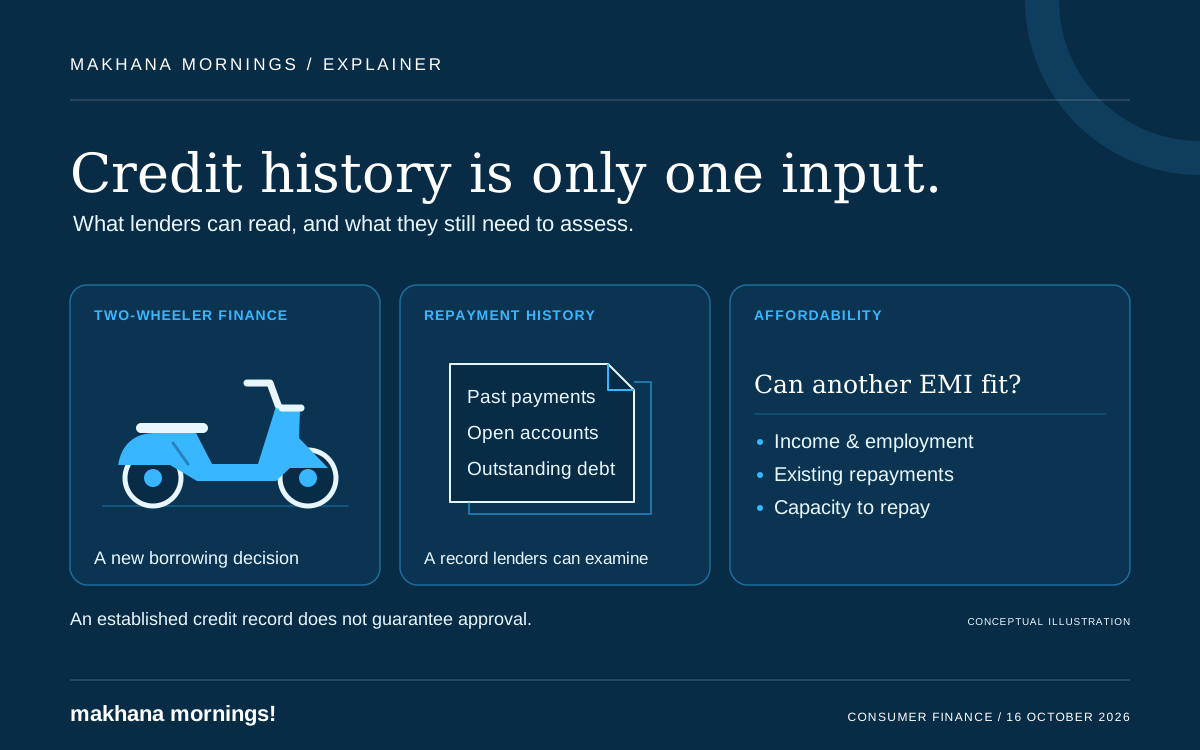
Credit reports record active and closed accounts, outstanding balances and repayment history. That gives a lender more information than the simple fact that somebody has borrowed before. Regular payments, overdue instalments and existing debt can all affect the assessment.
But repayment history is only part of the decision. CIBIL’s consumer guidance also identifies income, employment and existing repayment commitments as factors lenders consider. An established record does not guarantee approval or prove that another instalment is affordable.
What the figures cannot settle
The public release and charts do not disclose a cohort sample count or isolate smartphone financing as the cause of the improvement in overdue balances. They show a change in borrower profiles alongside better portfolio performance. That is useful evidence, but it cannot establish how much one caused the other.
For lenders, the opportunity is a better-informed assessment of a customer’s full borrowing position. For consumers, the same record contains both repayment behaviour and commitments that still need to be met.
The Crunch
India’s two-wheeler borrowers are increasingly arriving with a credit history. That can make them easier to assess, but a record of borrowing and the capacity to take on more debt are different questions.