
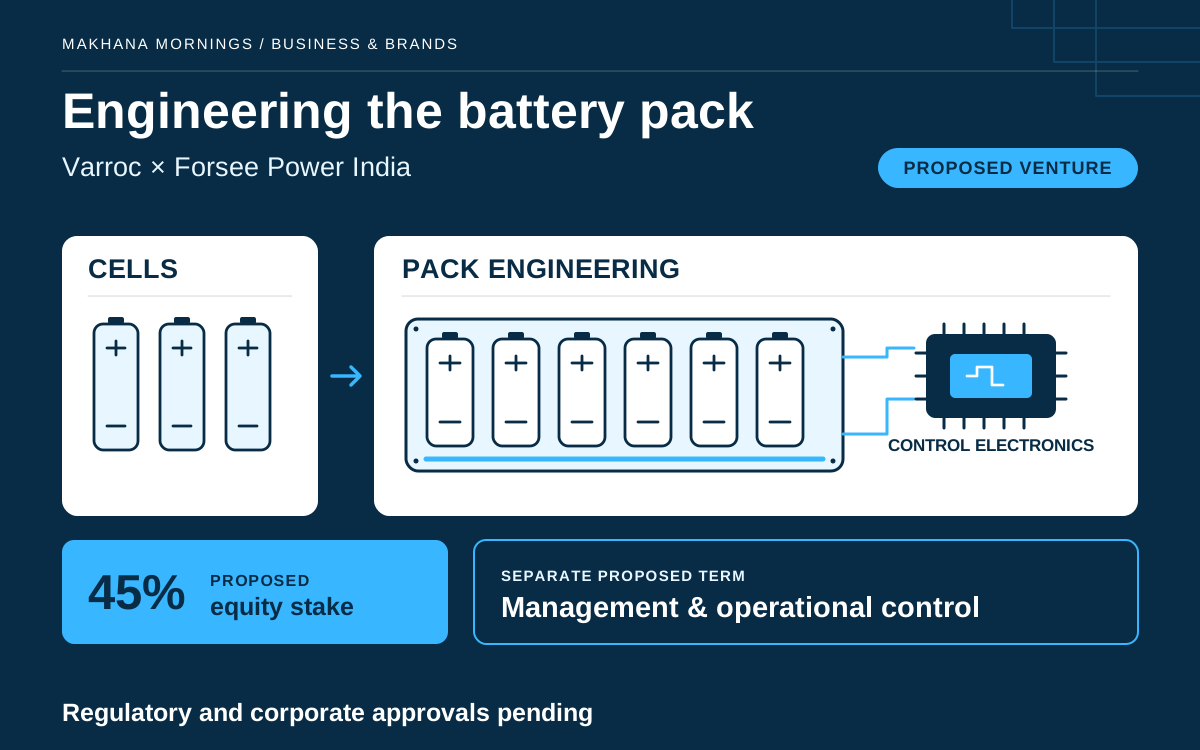
An electric vehicle needs more than battery cells. It also needs a system that fits the vehicle, manages charging and heat, and communicates with its controls. Varroc’s proposed partnership with France’s Forsee Power targets that part of the business.
In an October 16, 2026 announcement, Varroc said it would acquire a 45% equity stake in Forsee Power India and exercise management and operational control. The proposed India venture remains subject to applicable regulatory and corporate approvals.
The Breakdown
Varroc also plans to subscribe to optionally convertible redeemable preference shares to support the venture. That is a separate financing component from the announced equity stake; the press release does not spell out its conversion terms.
The proposed 45% equity interest is below a majority. Management control is a separate feature expressly stated in the announcement. The percentage alone does not describe all the rights the parties intend to put in place.
Battery packs for three-wheelers would be the starting point. The companies describe a roadmap covering two-wheelers, light commercial vehicles, buses, trucks, off-highway and industrial vehicles. Those wider applications are plans, rather than newly announced orders.
Where the engineering sits
Forsee’s 2024 annual report describes modules built from cells sourced from suppliers, combined with a battery-management system and a protective mechanical structure. Its account of pack production also covers thermal management, testing and validation.
A battery-management system monitors and controls charging, discharging and the condition of the cells. Pack design brings those elements together for the intended application. Producing the cells themselves is another stage of the supply chain.
That distinction matters when assessing a manufacturing announcement. The October release concerns battery-pack systems; it does not announce a new factory producing battery cells. Nor does it establish where every component of the proposed venture’s products will be sourced.
An existing India base
Forsee’s Indian manufacturing history predates this proposal. In June 2021, the company said serial production for light electric vehicles had begun at its Pune site the previous month. It described assembly lines, laboratories and battery-management testing equipment. Its 2024 annual report also lists Pune as a battery-system production site.
The new element is therefore the proposed ownership and operating partnership, rather than Forsee’s first entry into Indian production.
The Big Picture
The companies say Forsee brings battery-pack technology, while Varroc contributes automotive engineering, manufacturing and relationships with vehicle makers. The commercial logic is to connect a specialised system to the companies that would integrate it into vehicles.
For vehicle makers, the relevant test will be whether a pack meets their application’s requirements and can be supplied reliably. For the venture, customer programmes, deliveries and operating performance would provide evidence that the combination is working. The press release does not quantify those future results or confirm that the transaction has closed.
The Crunch
Varroc’s proposal combines battery-system expertise with automotive manufacturing and customer relationships. Its value will depend on completing the transaction and turning that combination into products vehicle makers buy. The announcement establishes a plan for battery packs, without demonstrating new cell-making capacity or results from this partnership.