

A manufacturing contract can be the result of years of work before the first commercial shipment. Hikal’s latest agrochemical agreement makes that sequence visible.
On November 2, Hikal announced a multi-year contract with an unnamed Europe-based agrochemical company. Its Crop Protection division will develop and manufacture a specialised product for global markets. Management says the agreement follows nearly three years of collaborative process development and scale-up.
What the customer is buying
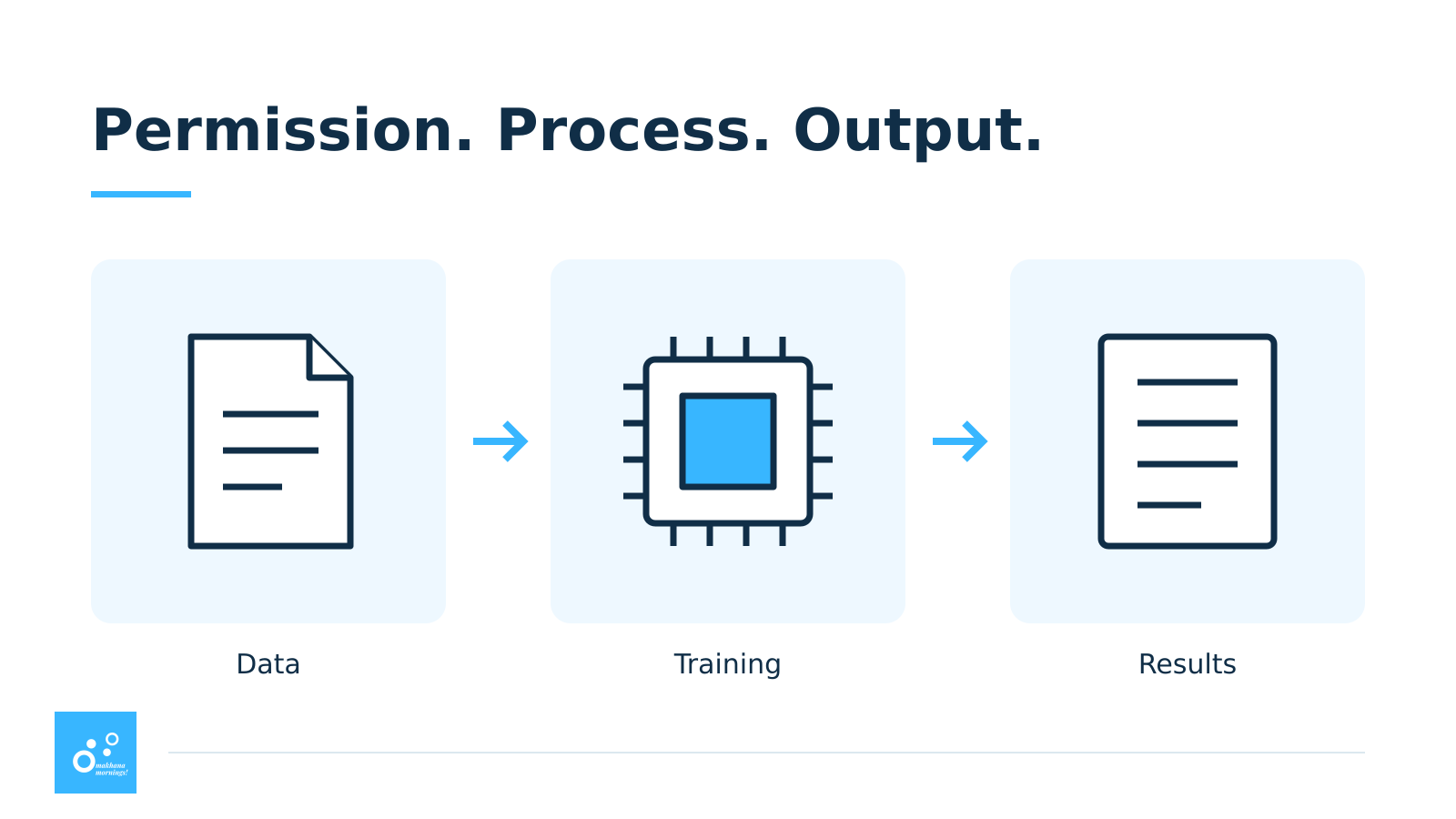
CDMO means contract development and manufacturing. The useful distinction is between discovering a product and developing a dependable way to make it. A manufacturer can build a valuable customer relationship through the latter without selling a proprietary brand to the final user.
Hikal’s existing crop-protection offering describes work progressing through kilo labs, pilot plants and commercial plants. That is context for its manufacturing model, not confirmation that this particular contract uses every facility or stage listed on its website.
For an Indian producer, the commercial question is therefore more specific than whether it can make a chemical. Can it turn development work into repeat production that meets the customer’s requirements?
A contract is one milestone
Hikal expects commercial launch towards the end of FY2026–27. It anticipates volumes growing as regulatory approvals arrive across global markets. The announcement does not disclose the customer, product, contract value, committed quantities or margins.
Those limits matter when assessing the business, but they do not erase the significance of securing a commercial agreement. The distinction is between evidence of a customer relationship and evidence of how much that relationship will earn.
Nor does a worldwide supply agreement mean the product can already be sold everywhere. Here, the company itself links volume expansion to approvals. The launch timetable and the subsequent pace of orders need separate tracking.
The Crunch
Read Hikal’s announcement as a development programme progressing towards commercial supply, not as completed sales or a disclosed earnings boost.
The next useful evidence will be whether launch occurs as planned, which markets become available and what the company eventually discloses about commercial volumes. That is how a promising manufacturing relationship becomes a measurable business.
Related categories: Infrastructure & Manufacturing


Leave your thoughts