
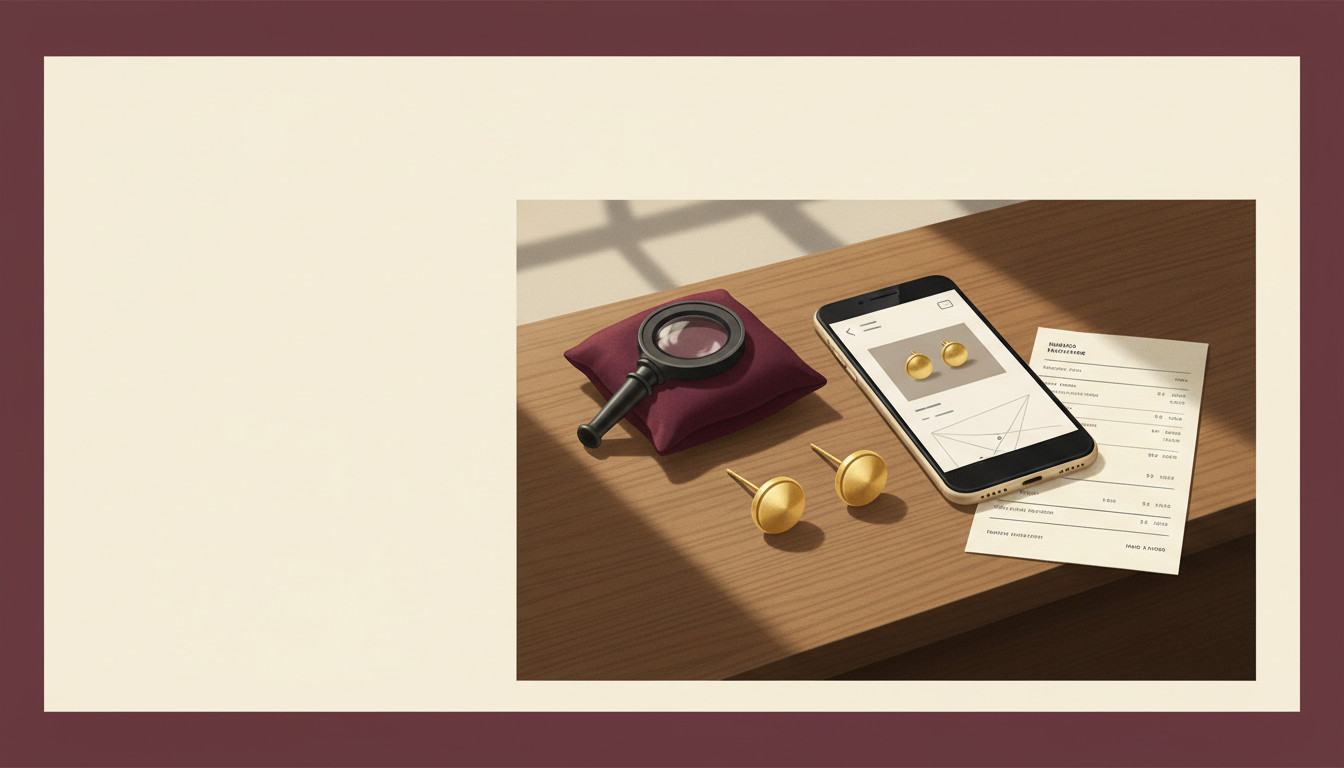
A jewellery purchase can involve careful comparisons of designs, prices and making charges. The tiny identification code on the article deserves a place in that process too.
In a backgrounder published on November 5, 2026, the government highlighted how the Bureau of Indian Standards (BIS) CARE app lets buyers check hallmarked jewellery against official records. For gold articles, that can include photographs and automatically captured weight, following an upgrade introduced on June 8, 2026.
The Breakdown
A gold hallmark has three components: the BIS mark, the purity or fineness mark, and a six-character alphanumeric Hallmark Unique Identification code, or HUID. The code connects the item to its record in the hallmarking system.
BIS’s current scheme brief says buyers can use the app’s Verify HUID feature before the sale. The useful step is to compare what the record shows with the piece in front of you, including the photographs and weight information available for gold articles.
This is an existing verification facility being highlighted again, rather than a new purchase rule announced this week.
For a pair of earrings, the check should extend to both pieces. BIS’s consumer FAQ says each article in a pair, and detachable parts, should have separate hallmarks with different HUIDs. Checking one code does not cover the whole purchase.
Why This Matters
The invoice is another part of the evidence. BIS says it should separately show the article description, net precious-metal weight, purity and hallmarking charges. The recorded weight of the article and the net gold weight on the bill should not be treated as interchangeable figures.
A hallmark helps establish purity. It does not answer whether the making charge suits your budget or whether a retailer’s exchange terms work for you. Those remain separate parts of the purchase decision.
Silver needs a careful distinction too. Hallmarking silver remains voluntary. But a silver article hallmarked under the BIS scheme must carry the HUID-based mark. A shopper should therefore distinguish between an item being described as silver and one being sold as BIS-hallmarked silver.
The Big Picture
Digital traceability is most useful when the buyer can connect a record to a physical product. A recognisable logo alone leaves that job unfinished. The identification code, the item and the bill give the customer different pieces of information to compare.
For jewellers, explaining those checks clearly can be part of the service. Staff need to help customers read the mark and understand the bill without turning verification into an awkward interruption at checkout.
The Crunch
Before paying, inspect the mark, check the HUID and keep a detailed invoice. If the item and its record do not seem to match, ask the jeweller to explain the difference before completing the purchase.




Leave your thoughts