
Two different growth rates can describe the same month without either being wrong. October’s GST figures are a useful example: the first question is whether a headline is talking about collections before refunds or the amount left after them.
The Breakdown
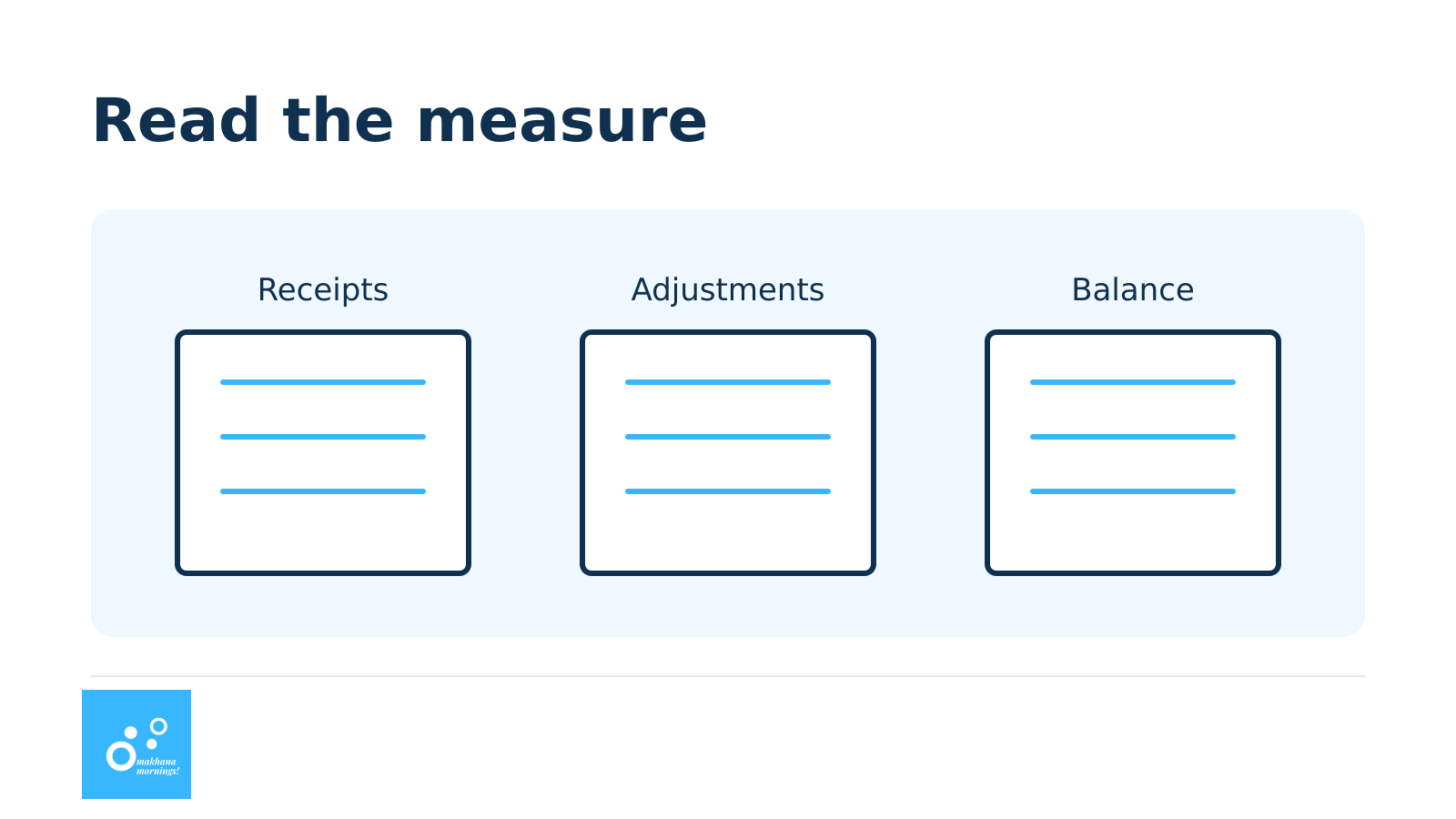
Reported gross goods and services tax collections for October 2026 were ₹2,31,290 crore, up 22.9% from a year earlier. Refunds were ₹27,934 crore. Subtracting them leaves net collections of ₹2,03,356 crore, reported as a 25.6% year-on-year increase.
The gross total comprises ₹1,59,044 crore from domestic transactions and ₹72,246 crore from imports. Reported growth was 15.8% and 42.2%, respectively. These components describe different parts of the collection base; their percentage changes should not be added together.
Gross and net also have different comparison bases. Net growth can be faster than gross growth even when refunds increase, provided collections and refunds change in different proportions. The two rates are not competing versions of one number.
Why This Matters
For someone preparing a business presentation, a chart headed simply “GST growth” leaves a material question unanswered. A useful label names the measure, the month and the comparison period. The figures should remain comparable from one slide to the next.
Consider a hypothetical analyst comparing a gross figure for one month with a net figure for another. The subtraction of refunds would look like a change in collection performance even though part of the difference came from switching measures. Consistent definitions prevent that avoidable mistake.
The domestic-import split raises a second question: which transactions are contributing to the total? A national collection figure alone cannot describe the experience of an individual retailer, manufacturer or service business.
The Big Picture
Tax receipts are monetary amounts. They are not a count of products purchased or a direct measure of inflation-adjusted household consumption. Interpreting them as evidence about demand requires additional information about prices, transaction volumes and the relevant tax treatment.
The same caution applies to timing. An October collection figure should not automatically become a claim about what households bought during October. A claim linking the increase to a festival or a policy change would need evidence beyond the headline growth rate.
The Crunch
Name the measure before telling the story. Gross collections, refunds and net receipts belong together in the explanation, but they should never be substituted for one another in a comparison.
Related categories: Business & Brands


Leave your thoughts