
Tide's India decision is a reminder that selling to a country and building a business from it are two different bets.
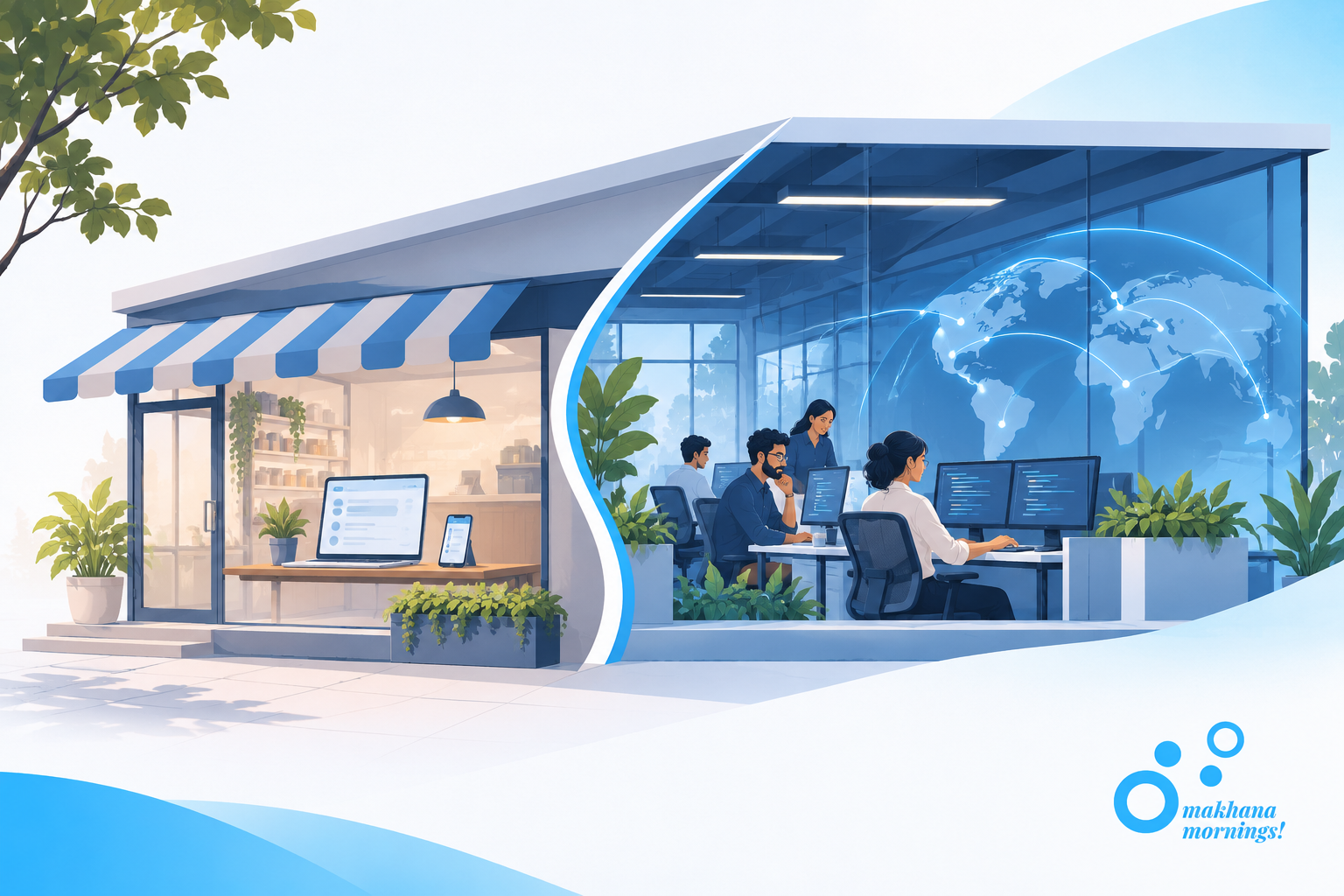
Cover: an original AI-generated conceptual illustration, not a depiction of Tide’s offices or customers.
On November 11, 2026, the business-management platform announced it would wind down its Indian member-facing business. It will retain its Indian operations and technology centre, which supports the UK and Europe.
The Breakdown
Tide says it attracted more than one million Indian members after launching in December 2022. Its review nevertheless found no viable route to sustainable profitability for the local proposition.
Tide says approximately 400 colleagues are affected, with support promised during the transition. That is not confirmation that 400 people have already been laid off. The retained centre employs around 800 people across functions including member support, product and engineering.
The company plans to communicate directly with Indian members. Its announcement does not specify a closure date or detailed customer-transition instructions.
Why This Matters
For a small-business platform, registrations answer only the first commercial question: can it attract users? The harder questions concern repeat use, revenue per customer and the cost of providing that service. A large membership base does not answer those questions on its own.
The announcement does not identify the precise financial causes. Pricing, competition or regulation should not be assumed to explain the decision.
For customers, the next useful information is operational rather than strategic: which services change, when they change and what action is required. A broad corporate announcement cannot substitute for those instructions.
The Big Picture
An Indian customer business must make its local revenue and costs work. An Indian global capability centre has a different role: supporting products, operations and customers in other markets. These activities can share a location without sharing the same commercial outlook.
Retaining the global centre does not establish that new roles will absorb affected employees.
The Crunch
Customer acquisition and commercial viability are different tests. Clear transition instructions are now more useful to affected customers than broad strategic explanations.
Related categories: GCCs & Shared Services; People & Work.




Leave your thoughts