
ABB India’s nine-month profit more than doubled. Profit from the businesses it continues to operate fell. The difference is crucial to reading the equipment maker’s latest results.

The Breakdown
The unaudited November 13 results, subject to limited review, cover January–September 2026. Total profit after tax reached ₹2,588.47 crore, against ₹1,235.41 crore a year earlier. Continuing-operations profit declined to ₹1,151.80 crore from ₹1,197.91 crore.
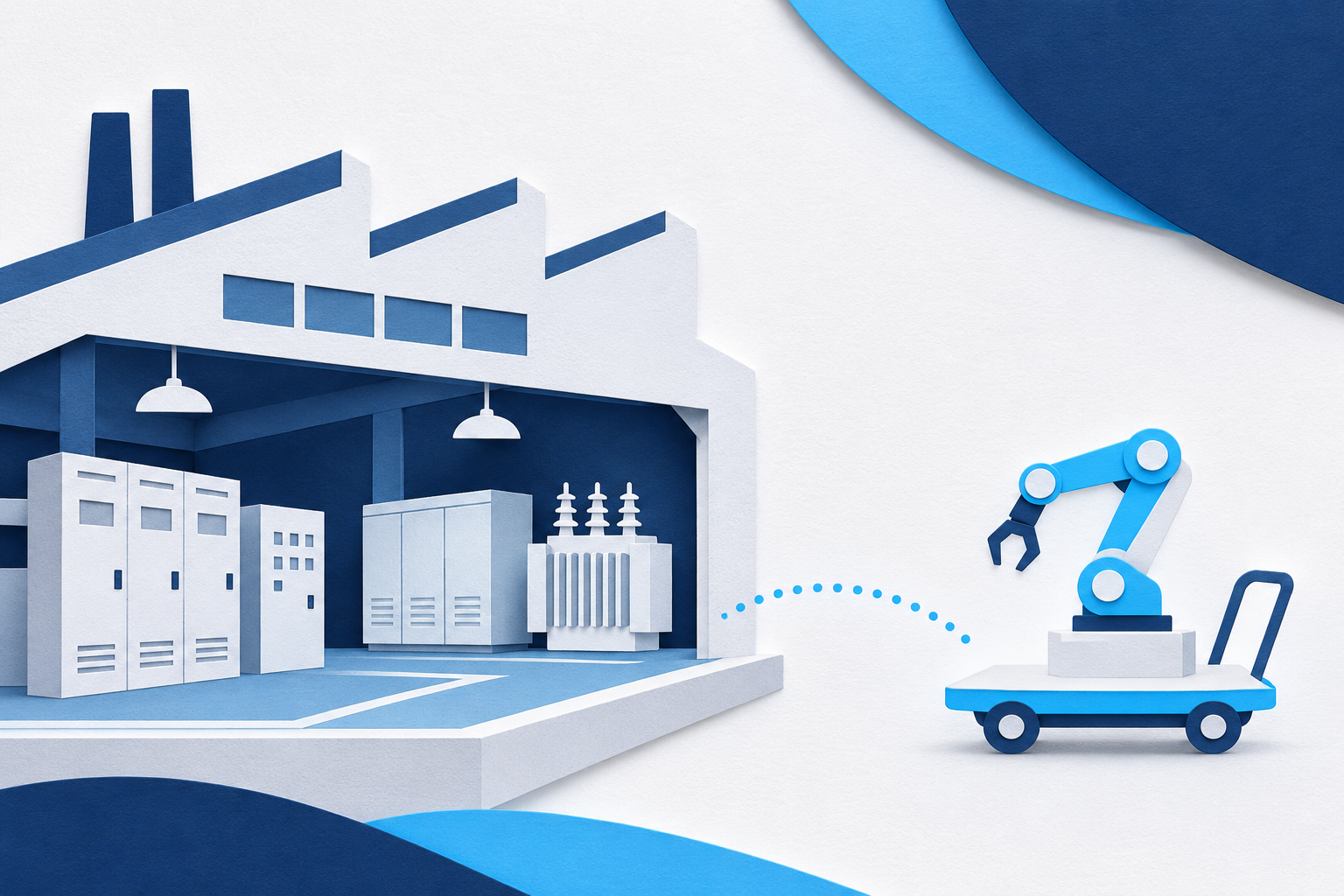
ABB India transferred its robotics business to ABB Robotics India Private Limited on March 1, 2026, in a related-party sale. It generated a ₹1,658.48 crore pre-tax gain within discontinued operations; the business left listed ABB India, not the wider ABB group.
The nine-month discontinued-operations category contributed ₹1,436.67 crore after tax. This includes other items, including residual income and expenses from the earlier power-grids demerger. It is not simply the after-tax equivalent of the robotics-sale gain.
The latest quarter also explains apparently different profit headlines. July–September continuing profit was ₹439.82 crore, up about 10.5%. Adding ₹2.70 crore from discontinued operations gives total profit of ₹442.52 crore, up about 8.2%. These are different measures, not conflicting results. ABB India uses a January–December accounting year, making this its third quarter.
The operating picture
For continuing operations, ABB India reported quarterly orders of ₹4,733 crore, up 56%, including electrical equipment for data centres, railway propulsion and renewable-energy equipment. Revenue rose 19% to ₹3,738 crore.
Its operational EBITA margin, based on adjusted earnings before interest, tax and acquisition-related amortisation, fell to 12.9% from 13.4%. ABB India attributed the pressure to factors including commodity and logistics costs, currency movements and pricing pressure. This measure excludes several non-operating items and is not interchangeable with statutory net profit.
The Crunch
The sale gain and the order increase answer different questions. One reflects a transaction involving a business that has left ABB India; the other records work customers have ordered, not sales or cash already earned.
For readers assessing industrial demand, the useful sequence is to separate continuing operations, check delivery-led revenue, then examine profitability. That avoids mistaking a disposal-led profit jump for a comparable improvement in the ongoing business.
Related categories: Infrastructure & Manufacturing



Leave your thoughts