

A longer blade is a change in what a factory can make. It is not, by itself, a change in how much electricity reaches the grid. That distinction matters in Adani Wind’s latest announcement.
On 16 November, Adani Enterprises said its subsidiary Adani New Industries had begun manufacturing 91.2-metre onshore wind blades at Mundra. It also reported WindGuard certification of the MWL185-5.0 MW turbine platform after prototype testing, enabling serial production.
The Breakdown
The company gives the platform a 185-metre rotor diameter and a 140-metre hub height. Blade length measures one component; rotor diameter measures the full circle swept around the hub. They are not interchangeable specifications.
A larger rotor sweeps a larger area through the wind. That gives the machine access to more moving air, all else equal. Taller towers can also reach different wind conditions. Neither dimension, on its own, tells a developer how much electricity a particular site will produce.
The 5 MW rating describes power capacity, not constant output. Actual generation changes with the wind resource and operating conditions. Comparing machines therefore requires more than a headline megawatt number: the rotor, tower and site need to be considered together.
Why This Matters
The manufacturing milestone concerns the equipment supply chain. Certification addresses conformity of the platform; it is not evidence that a fleet of the new turbines has already been installed and connected to the grid.
Adani says the certified design conforms to the IEC 61400 standards series and was developed with German technology partner W2E. Those are company-reported certification details, not an independent assessment of future project performance.
For a project buyer, the useful next questions are practical: which sites suit the machine, what delivery schedule is available, and what operating evidence supports the proposed energy yield? A larger component does not remove the need to answer them.
The Big Picture
India’s energy transition involves several different stages: manufacturing components, delivering complete machines, commissioning projects and generating electricity. Progress at the first stage can support the others, but should not be counted as completion of all four.
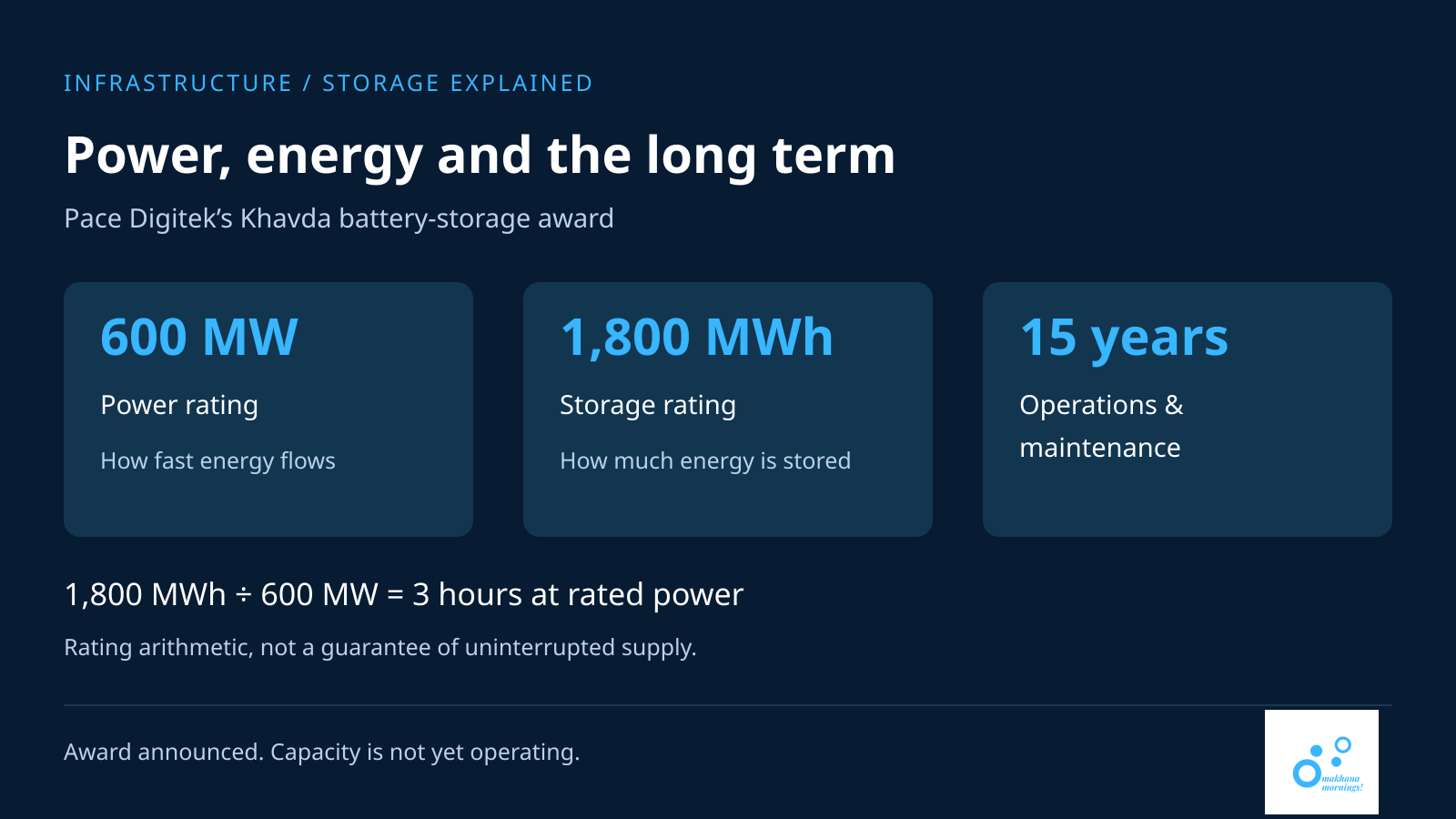
That is also why equipment stories differ from storage awards, where the distinction between power, energy and long-term maintenance matters. Each figure describes a different part of the system.
The Crunch
Adani Wind has announced a broader manufacturing capability and a certified turbine platform. The next test is deployment and demonstrated performance at real projects, not simply the length of the blade.


Leave your thoughts