
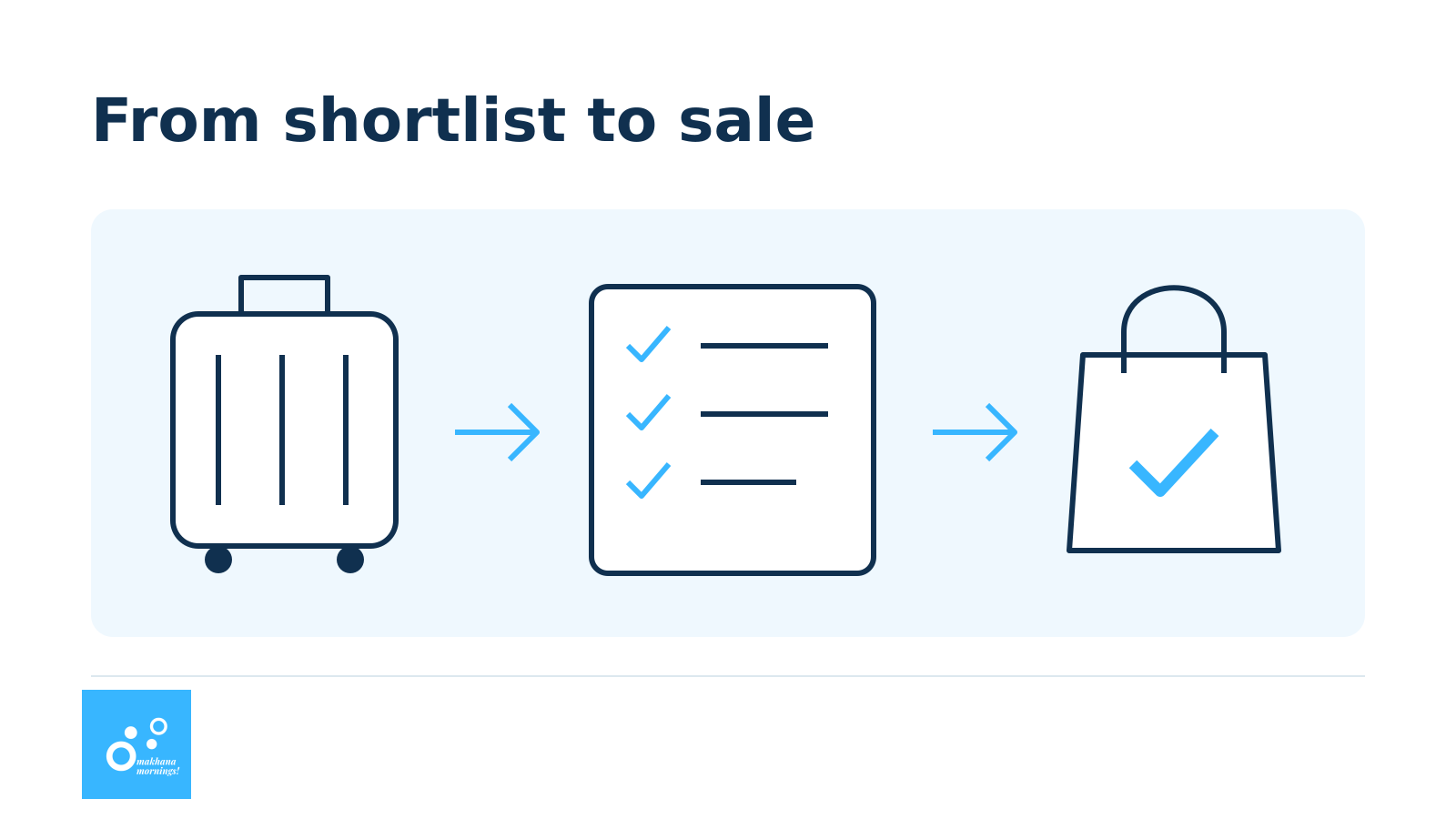
Imagine a shopper asking an AI tool for a suitcase that fits a cabin baggage limit, weighs less than three kilograms and costs under ₹5,000. Before visiting a retailer, they may already have a shortlist. For the brands left out, the lost opportunity is difficult to see in website traffic alone.
The Breakdown
McKinsey’s October 28 research puts that shift into focus. Its June 2026 survey covered about 21,000 consumers across 11 markets, including India. Shopping use meant using AI for at least one task in the previous three months. It did not necessarily mean buying anything.
Among Indian AI users, 87% said they trusted AI chat and search tools. Globally, 14% of AI users reported completing a purchase directly within an AI tool. The second figure is not an India checkout rate, and neither measure establishes how much retail spending moved to AI.
The survey is self-reported, with different respondent bases for different questions. Its June fieldwork is a snapshot, not a live November reading. That leaves a useful distinction for businesses: being considered, being visited and being bought are separate outcomes.
Why This Matters
There is already a concrete Indian shopping interface behind the idea. In April, Google introduced Gemini shopping features in India that show product listings, comparison tables, prices and places to buy inside a chat. Its current help documentation lists India among supported countries.
Return to the suitcase example. “Cabin-friendly” is less useful than dimensions that a shopper can compare with an airline’s limit. A product weight, an exact model number and a clear warranty answer different questions from an attractive photograph. If those details conflict across listings, the shopper has more work to do before trusting the comparison.
For a smaller Indian brand, the practical test is not how many times it mentions AI. It is whether someone comparing its product with two alternatives can establish what is being sold, what it costs and which claims are supported. Better information helps the human buyer too; it is not a guarantee that an AI service will recommend the brand.
The Big Picture
A useful measurement plan separates three stages: whether a product appears in relevant comparisons, whether those comparisons bring qualified visits, and whether those visits become completed orders. An increase at one stage should not be reported as success at all three.
A brand could test a fixed set of realistic shopping questions and record whether its product appears, whether the details are accurate and where the answer sends the shopper. Comparing those observations with actual orders would be more informative than counting mentions alone. Repeating the same questions also helps distinguish a consistent pattern from a single favourable answer.
This is an editorial inference from the changing interface, not evidence that Indian brands have already gained sales from these steps. The commercial result still has to be measured.
The Crunch
Before buying a bigger AI marketing promise, ask a smaller question: can a shopper accurately compare your product without first speaking to your sales team? The answer starts with the product page, and ends with an order, not a mention.
Related categories: Technology & AI


Leave your thoughts