

Losing money to a scam and establishing who must repay it are different questions. Recent digital-arrest reporting makes that distinction especially important: a court-directed safeguard, an existing banking rule and a future compensation mechanism are not interchangeable.
The Breakdown
In an October 29 order, reported on November 10, the Supreme Court sought to examine proposed RBI KYC amendments before further directions. The recorded timetable envisaged notification by November 30 and operation by December 31. Those dates are proposals in the proceedings, not evidence that the measures are already in force.
The Court required compensation provisions where fraud is established to have resulted from an institution’s failure of due diligence in prevention or reporting, covering at least the amount lost. It did not determine liability for every scam or award every victim an automatic refund.
Suggested preventive measures included scrutiny of unusual transactions and subsequent verification. Police were asked for investigation updates, while messaging intermediaries were asked for preventive proposals. The next hearing was listed for November 23.
What already applies
The current commercial-bank framework addresses unauthorised electronic transactions. Bank fraud, negligence or deficiency can produce zero customer liability. For a third-party breach attributable to neither bank nor customer, reporting within three working days of receiving the bank’s communication brings zero liability; later reporting changes the applicable test.
Where customer negligence causes the loss, the customer bears losses until reporting, while subsequent unauthorised losses fall to the bank. The bank bears the burden of proving customer liability. These provisions concern specified circumstances, not a promise that every payment made during a scam will be refunded.
What changes in January
A separate, final RBI amendment dated June 24 applies to transactions on or after January 1, 2027. Its fraudulent-transaction definition expressly includes customer approval under coercion or duress. It is not the proposed KYC amendment discussed in the court order.
Its limited compensation mechanism covers bona fide individual victims, including sole proprietors, with gross losses up to ₹50,000 in the customer-negligence category. Compensation is 85% of net loss (after recoveries, including later recoveries) or ₹25,000, whichever is lower, once in a lifetime. Reporting both to the bank and through the cybercrime portal or 1930 within five calendar days of the transaction’s occurrence is required. The mechanism covers losses from transactions occurring within one year of the directions’ effective date.
These commercial-bank directions exclude small finance, payments, regional rural and local area banks; readers should not assume this document alone settles every institution’s obligations.
Why This Matters
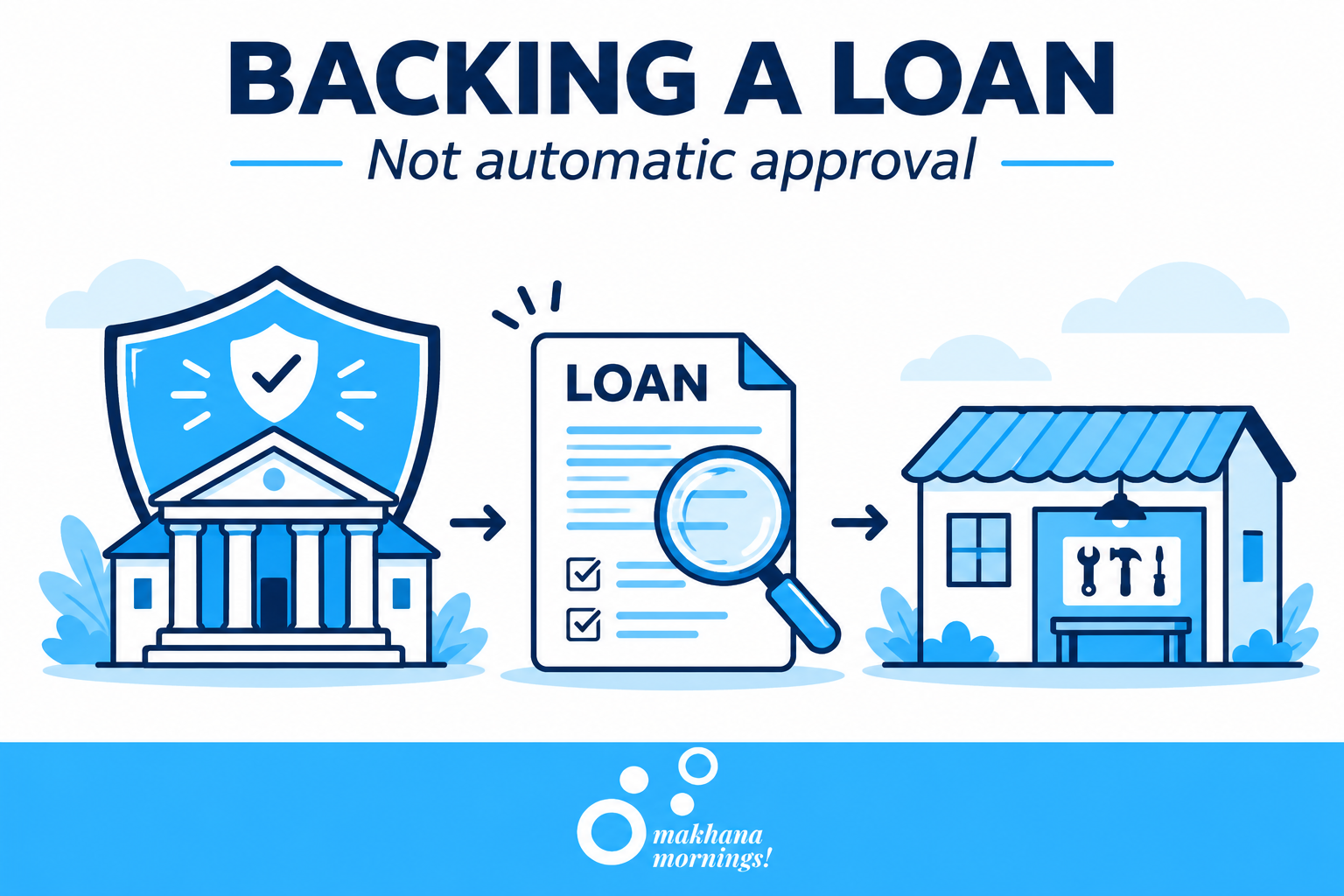
For a household or small business, “compensation is available” is an incomplete sentence. Which transaction, which institution, which applicable rule and which reporting deadline? A proposed safeguard cannot be treated as an entitlement already available, and a capped mechanism cannot be described as full reimbursement.
Keeping transaction records, bank alerts and complaint acknowledgements together helps make the chronology clear. Reporting promptly is sensible; waiting for a future rule or the next court hearing is not a substitute for notifying the bank about a loss.
The Crunch
Read the date and the conditions before reading a refund headline as a guarantee. The meaningful distinction is between preventing a scam, establishing responsibility and determining the remedy. They are connected tasks, but they are not the same decision.
Related categories: Technology & AI; Business & Brands



Leave your thoughts