
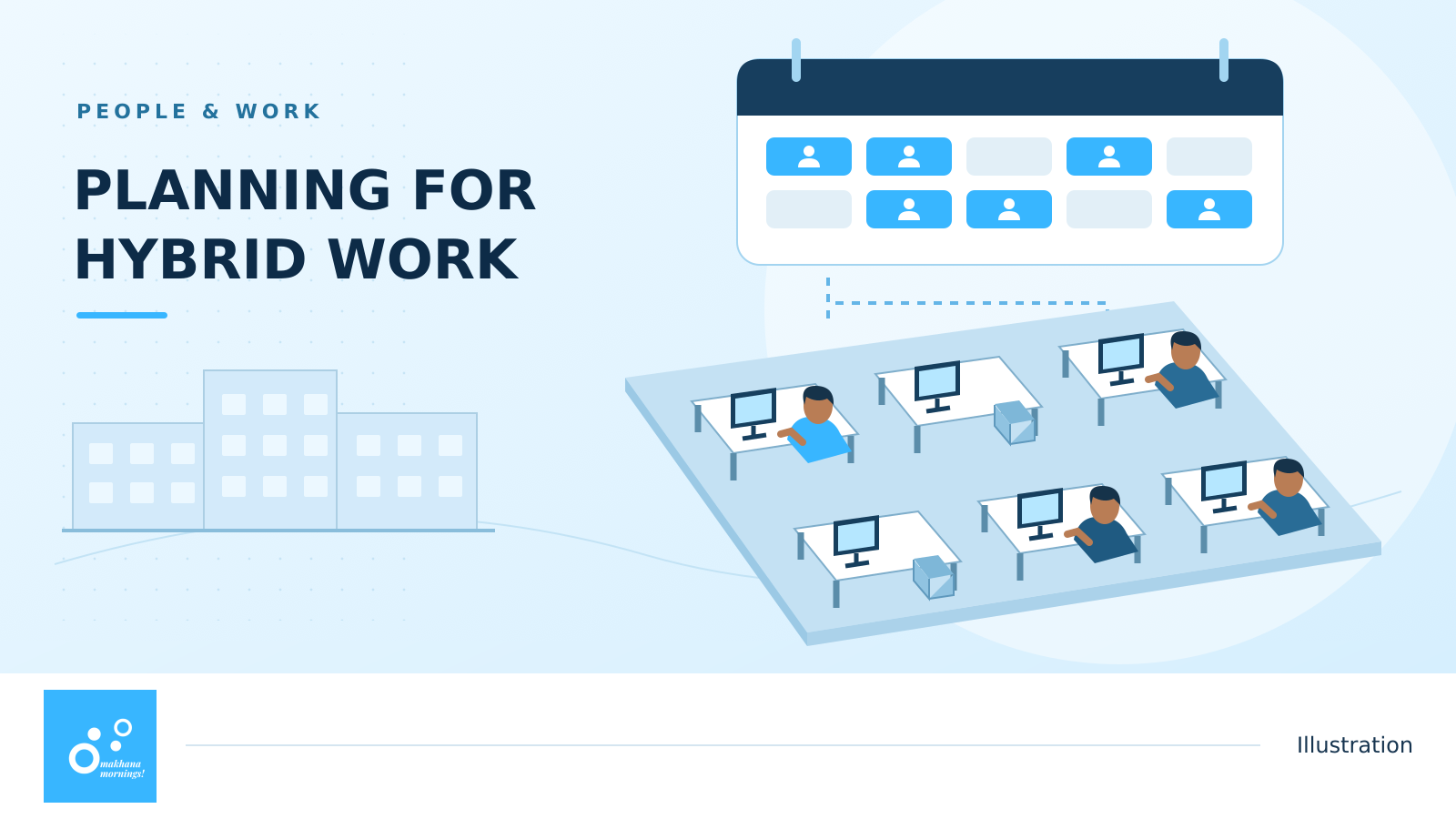
An office can support a workforce larger than its desk count. Making that arrangement work depends on who arrives together, not simply how many people are allowed to work from home.
Infosys’ newly inaugurated Pocharam block in Hyderabad makes that operating question concrete. The company announced the 1.1 million sq ft facility on October 30. It adds 10,000 seats, with an ambition to support more than 13,000 additional employees under a hybrid model.
The Breakdown
Those figures describe physical capacity and a workforce the facility could support. The announcement does not establish that those employees have been hired, or specify their attendance schedules.
The building includes flexible workspaces and collaborative areas. The campus serves clients in banking, retail, life sciences and manufacturing; Infosys says the expansion will strengthen its AI, cloud, cybersecurity and engineering capabilities.
The practical constraint is peak attendance. If teams choose the same days to meet, a building can be crowded even when its average weekly occupancy looks comfortable. Sharing desks therefore requires coordination across teams as well as within them.
Why This Matters
A useful comparison comes from a study published in 2024, rather than a new survey of Indian workplaces. The six-month randomized trial began in 2021 and involved 1,612 graduate employees at travel-technology company Trip.com in Shanghai. The hybrid group could work from home on Wednesdays and Fridays, attending the office on the other three days.
The trial reported lower quitting and no adverse effect on performance grades over subsequent reviews. It tested a particular arrangement at one employer; it did not establish an ideal desk-sharing ratio for Indian IT campuses.
Its schedule illustrates an important distinction: common office days can preserve time together without reducing the maximum number of desks needed on those days. A staggered arrangement addresses space differently, but then teams must decide when collaboration requires their members to overlap.
The Crunch
For Indian employers evaluating an office expansion, three separate measures matter: the workforce supported, the number attending at the busiest time, and whether the arrangement helps teams deliver their work. A larger supported workforce is useful only if the scheduling and facilities can accommodate it.
Pocharam supplies a new, concrete example of investment designed around hybrid work. Actual attendance, utilisation and delivery outcomes will show how that design performs.
Related categories: Real Estate; Business & Brands



Leave your thoughts