
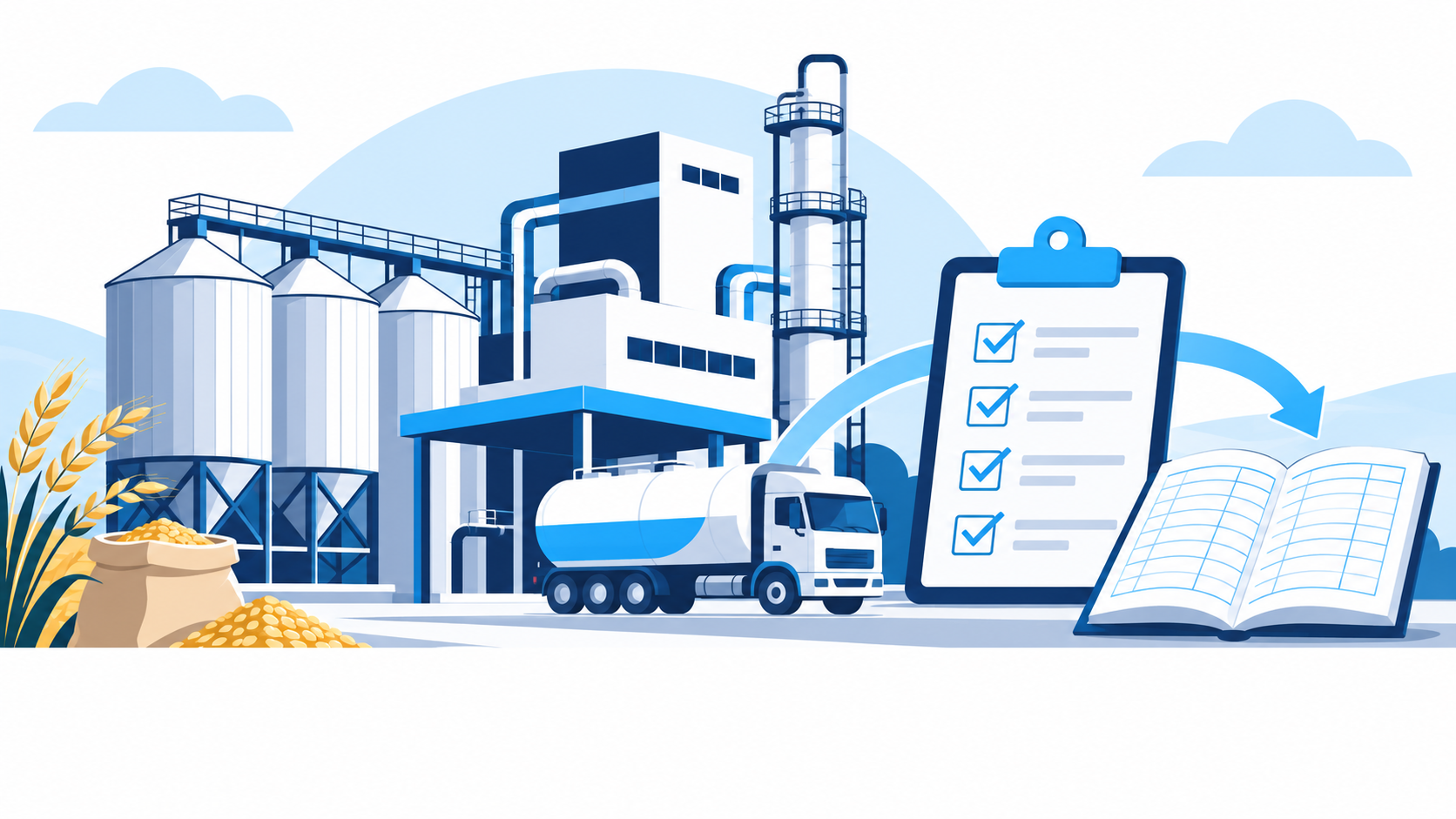
Modi Naturals has expanded its grain-based plant in Chhattisgarh and secured ethanol supply allocations with an estimated value of ₹495 crore. But the useful business question is not simply how much equipment it has installed. It is how the extra capacity translates into deliveries, margins and cash.
The distinction matters because ethanol is already a substantial part of the company, not a small diversification project.
The Breakdown
In a November 12, 2026 disclosure, Modi Naturals said its wholly owned subsidiary Modi Biotech had started commercial operations at the expanded facility. Installed capacity rose from 282 to 600 kilolitres per day.
That total needs a qualification: 282 kilolitres per day is ethanol capacity, while the additional 318 can produce ethanol or rectified spirit. It should not be described as 600 kilolitres of guaranteed daily fuel-ethanol output.
A separate disclosure the same day covered allocations from oil marketing companies for about 7.82 crore litres of ethanol. Their estimated value is ₹495 crore, with supplies scheduled between November 2026 and October 2027.
This is an allocation for future supplies, not revenue already earned. It also spans parts of two April-to-March financial years. Treating the entire amount as a guaranteed addition to this financial year’s sales would misread both its status and its timing.
Why This Matters
In the six months ended September 2026, ethanol generated ₹193.70 crore of revenue out of consolidated revenue of ₹361.95 crore, or about 54%. The company’s unaudited results therefore show why execution at this plant matters to the wider business.
The financial context also argues against treating an order announcement as the finish line. The November investor presentation reported consolidated first-half profit after tax of ₹23.53 crore, but net cash from operating activities of ₹8.68 crore. The comparable operating cash figure a year earlier was ₹35.96 crore. Working-capital changes absorbed ₹25.74 crore in the latest half-year.
These April–September 2026 results predate the November 12 announcement of the latest expansion. They are company-wide figures, not a measure of the new plant’s cash generation. Net operating cash is not a direct measure of customer collections or evidence of overdue debt. They do show why collections and money tied up in day-to-day operations deserve attention alongside reported profit.
Management also said higher edible-oil and grain costs had put pressure on the September quarter’s profitability because selling-price adjustments lagged. Its expectation that easing input costs will help future performance remains an outlook, not an achieved recovery.
The Big Picture
India’s ethanol-blending programme connects agricultural inputs, processing plants and fuel distribution. In July, the petroleum ministry reported average blending of 20% for November 2025 to June 2026.
For a producer, the commercial chain still has several distinct stages: production capability, allocated demand, delivered product, recorded revenue and cash collection. A larger facility does not collapse those stages into one.
The capacity mix also matters. Because part of Modi Biotech’s plant can produce ethanol or rectified spirit, the announced annual allocation cannot, by itself, establish the utilisation rate of the whole facility. The eventual product mix and operating schedule matter too.
The Crunch
The expansion and allocations give Modi Naturals more production capability and a defined volume to supply. The next evidence to watch is delivered volume, the ethanol segment’s margins and cash conversion. Those will show how much of the opportunity reaches the business’s results.
Related categories: Infrastructure & Manufacturing; Economy & Markets




Leave your thoughts