
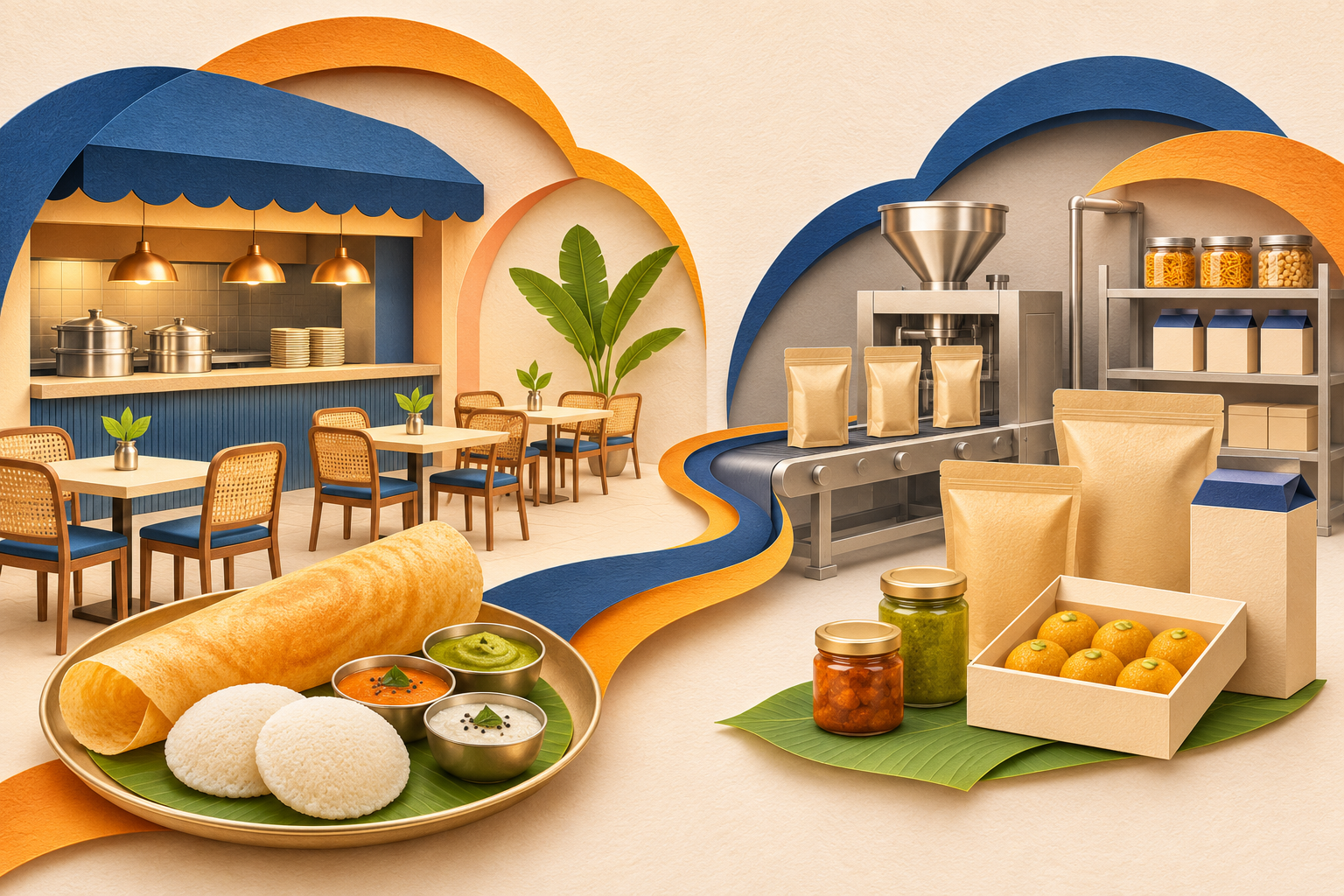
Bodhi Tree Systems has agreed to invest $180 million for a majority stake in Adyar Ananda Bhavan, Reuters reported on November 12. The deal raises a practical question for the Indian food brand: how can restaurant meals and packaged products grow together when they require different operations?
The Breakdown
The precise ownership percentage was not disclosed. Uday Shankar is to chair A2B’s new board. Public-market readiness is an ambition, with no listing timetable announced. The reporting establishes an agreement, rather than confirming that ownership has already transferred.
A2B already extends beyond restaurant tables. Its own online shop lists sweets, savouries, ready-to-cook mixes, coffee and rice mixes. Its company history describes expansion into restaurants and overseas markets. This is an existing combination of formats, not a packaged-food business being invented by the transaction.
Bodhi Tree describes itself as an investor-operator, working alongside consumer businesses. Its website features A2B alongside ALLEN and JioStar. That positioning puts management capability and execution alongside outlet growth as useful measures of the partnership.
Why This Matters
A restaurant needs reliable service, food preparation and economics at each location. A packaged product needs repeatable manufacturing, suitable packaging and distribution that reaches the customer while preserving the product. A recognised name can help both, but success in one does not automatically establish the other.
For an Indian food brand expanding abroad, this distinction matters. Opening another dining location and selling a ready-to-cook mix are different ways to reach customers, with different investments and operational requirements. The deal’s headline value is not enough to establish an expansion budget. That also requires knowing how much will reach the business as fresh capital rather than pay existing shareholders.
The Crunch
Watch for concrete operating milestones: new manufacturing capacity, clearly identified markets, product launches and evidence of repeat customer demand. The longer-term test is whether A2B can build a larger business while keeping each format commercially sound.
Cover illustration is conceptual, not a depiction of A2B premises or products.



Leave your thoughts