
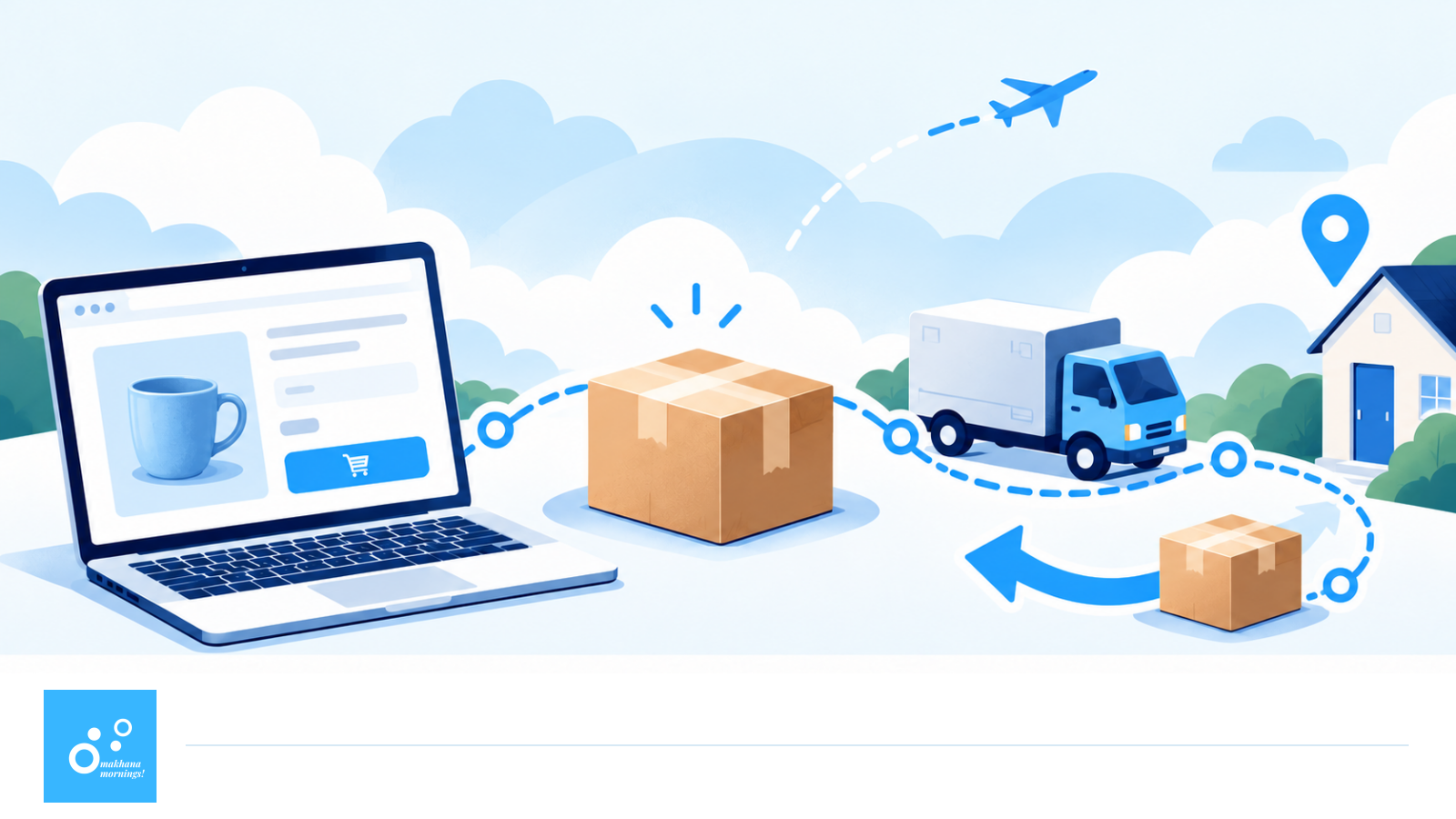
Blue Dart’s October 26 launch of International Parcel Connect gives eligible Indian sellers Standard and Expedited options for parcels to the United States. Powered by DHL eCommerce, the service combines an international network with customer support in India.
For a seller, choosing between those options starts with the promise made at checkout. A delivery window, the amount collected for shipping and the handling of a return all affect what an overseas order means for the business.
The Breakdown
Blue Dart lists eligible parcels from 50 grams to 11 kilograms, subject to commodity, customs and dimensional requirements. Its announcement does not provide a rate card or specific transit-time commitments.
DHL’s 2026 cross-border survey helps explain that wider problem. In its global responses on reasons for avoiding international purchases, 45% cited high delivery costs or long delivery times, while 36% cited complicated or costly returns. These are reported concerns, not measured conversion losses.
The shopper research covered 29,000 recent online buyers in 29 countries, with 1,000 respondents per country and fieldwork from December 2025 to February 2026. It is global context, not a forecast of demand for Indian exports or an independent test of Blue Dart’s new service. Both sources come from the DHL group.
Why This Matters
A cheaper outward journey can leave an expensive order if the seller has not planned for a failed delivery or a return. The comparison therefore needs to include who pays each charge, how the customer is told about it, and what happens when the purchase does not work out.
The Crunch
For an Indian brand testing overseas sales, the useful unit is the completed order. Compare shipping options against a clear customer promise and the costs of keeping it, rather than treating access to a new route as proof of profitable demand.
Related categories: India & The World

Leave your thoughts