

An IPO announcement invites an immediate question: what might the shares be worth? For GAIL Gas, another question comes first: what business will sit inside the company when investors are asked to value it?
Two decisions announced on 30 October make that distinction worth following.
The Breakdown
GAIL’s board has given in-principle approval to list its wholly owned subsidiary, GAIL Gas, through an IPO involving dilution of up to 25% of GAIL’s equity holding. The final extent of dilution, valuation, price band and structure remain subject to a further proposal and board approval.
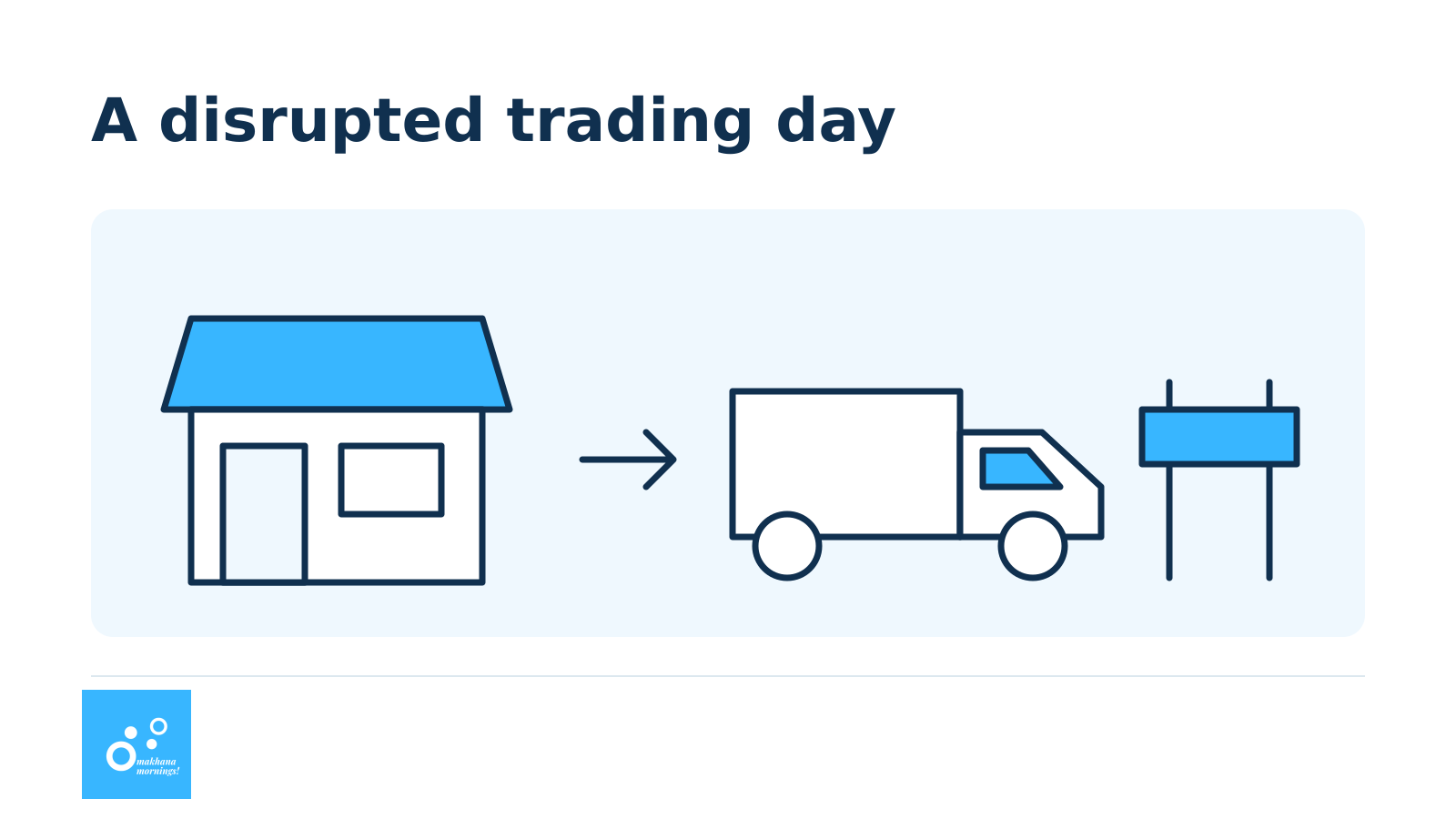
Separately, the board approved transferring six city gas distribution areas to GAIL Gas: Varanasi, Patna, Ranchi, East Singhbhum, Cuttack and Khordha. The proposed transfer is on a going-concern basis through a business transfer agreement, with an effective date of 1 January 2027.
The filings announce approvals and a planned transfer date. They do not establish that the transfer has already happened or that an IPO is open for subscription.
Why This Matters
The useful way to read these announcements together is to separate the business being assembled from the transaction that could eventually bring it to the market.
A stake-sale headline alone cannot show what a future shareholder would own. Readers will need the eventual offer documents to understand the assets, liabilities, earnings and risks within the company being offered. The transfer proposal makes that boundary particularly important here.
For customers, the notices do not announce a change in gas prices. For potential investors, they provide no basis yet for judging whether the shares would be attractively priced.
The Crunch
Watch the transfer and the listing as separate milestones. The next useful details are the business that actually moves, its financial contribution, and the final offer structure. Until those are available, the percentage being considered for dilution is only the start of the story.
Related categories: Economy & Markets


Leave your thoughts