
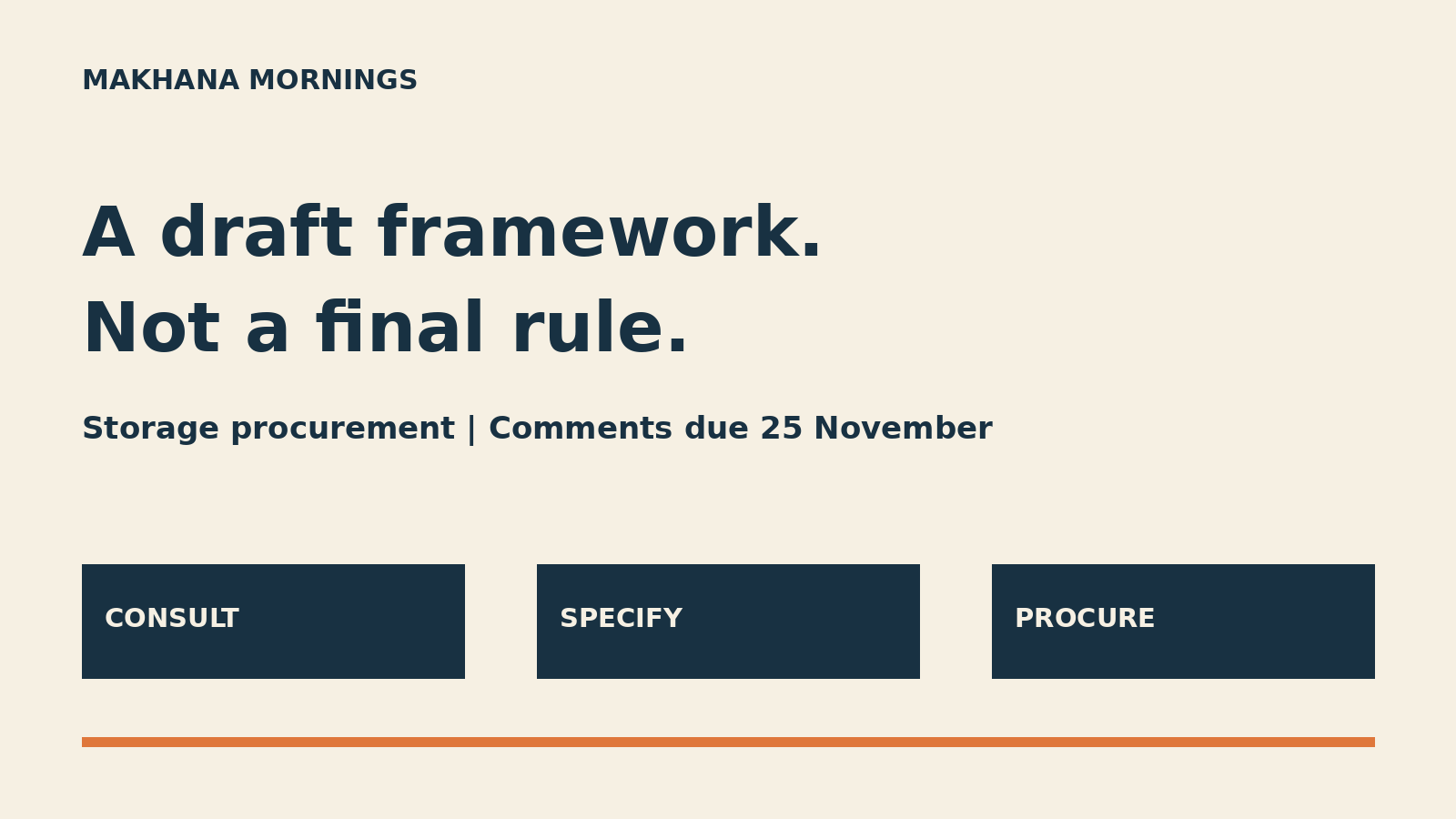
India’s Power Ministry is consulting on changes that would connect renewable-power and battery-storage bidding guidelines more explicitly to domestic-content requirements. The important qualification is that the draft does not itself supply a local-content percentage or define which components count.
The official consultation letter dated November 10 invites comments by November 25, 2026. It encloses proposed amendments for solar, wind-solar hybrid, firm and dispatchable renewable power, and battery energy storage procurement. These are consultation texts, not evidence that final amendments have already taken effect.
For solar procurement, the draft retains the wording “with or without” energy storage and adds compliance with relevant government orders and authority regulations on storage installation and domestic content. For hybrid projects, it changes the storage wording from “may” to “shall” for the solar component, subject to those orders and regulations. That distinction matters: neither clause should be reduced to a claim that every solar project immediately faces the same battery mandate.
The firm-and-dispatchable power amendment connects storage to domestic-content requirements under government orders. The battery-storage procurement amendment would require tender provisions addressing compliance with the relevant orders. The short draft leaves the content threshold and component definition outside its own text.
Separate the project obligation from the sourcing test
That creates two separate questions for a bidder: what service the project must deliver, and what equipment qualifies for the procurement. A requirement to supply electricity at specified times does not, by itself, explain how local content will be measured. Conversely, eligible equipment must still meet the project’s operational requirements.
The distinction also matters when reading earlier announcements. MM’s coverage of the Cabinet’s storage-support programme described a 40% domestic-content condition for supported battery projects. Its cell-manufacturing tender explainer concerned manufacturing allocations and value-addition commitments. Those programme-specific terms should not be copied into this consultation as though they were numbers stated in the draft.
The draft separately proposes an optional developer contribution to the battery payment-security fund, capped at ₹5 lakh per MWh, with instalments specified in the tender. This is a proposed payment-security arrangement, not an equipment subsidy, a universal charge or a measure of domestic content.
For developers and suppliers, the practical task is to follow the final text, the orders it references and the eventual bidding documents together. Assumptions about eligible inputs, delivery schedules and compliance costs can affect a bid, but this consultation alone does not establish those costs or select any supplier.
The next milestone is the close of consultation, followed by any final amendments and applicable procurement terms. A proposed route for domestic-content compliance is not yet a complete sourcing rulebook.

Leave your thoughts