

A place to pause during a delivery shift and a place to live near a factory address different gaps around work. Comparing them as simply more facilities for workers misses the practical question: what does each make possible?
Upzy’s first members’ centre opened in Kondapur, Hyderabad, on October 2. It offers one way of providing that space.
The Breakdown
Upzy describes its club as a place for gig workers to rest, eat, charge a phone and use clean washrooms. Members can also receive parcels and seek help with documents.
Nia.one describes a different model: connecting work opportunities with managed accommodation and everyday services. Its listed locations include Bengaluru and Hosur, Chakan and Pune, and industrial corridors in Tamil Nadu and Haryana.
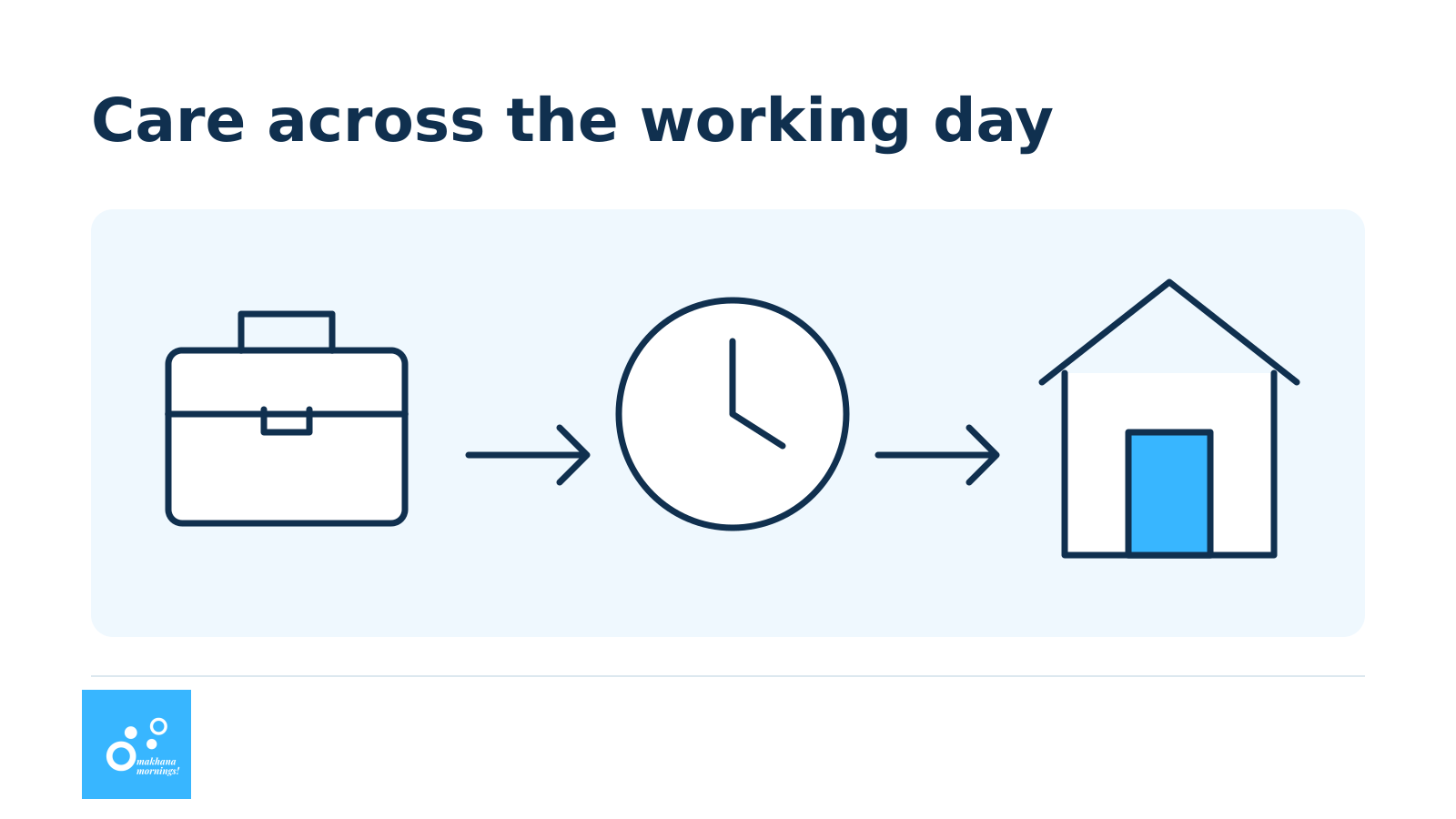
The distinction is between a stop within a working day and a base around which working life can be organised. Someone already living in a city may need the first. A person moving for a job also needs to decide where to live. Neither service should be assessed as a substitute for the other.
Why This Matters
Consider a hypothetical delivery worker with a short break between jobs. A centre may offer useful amenities, but reaching it, using it and returning to the working area must fit inside that break. A low membership fee would not compensate for a location the worker cannot practically use.
Now consider someone comparing accommodation before accepting a factory job. The room charge is only one part of that decision. The comparison should also identify travel costs, included services, any deposit and the terms for leaving. These are questions for the actual offer, not charges established for either company here.
This produces a more useful test than comparing the number of centres or beds: can the intended user fit the service into a real schedule and budget? Opening hours, distance and what the payment includes belong in the same assessment.
The Big Picture
For employers, Nia proposes assessing services against attendance, retention and replacement costs. That is a business case to test, not independent proof that housing causes better retention.
The worker’s assessment remains separate. A facility could be convenient for an employer without meeting every resident’s needs. Before joining, a worker should ask who handles complaints and whether access depends on a particular job or employment relationship. The evidence reviewed here does not establish what happens when a worker changes jobs.
The Crunch
Start with the need, then assess the offer. A rest centre should work as a usable stop; housing should work as a liveable base. Counting facilities is easier than establishing either, but it tells workers much less.
Related categories: Business & Brands, Real Estate


Leave your thoughts